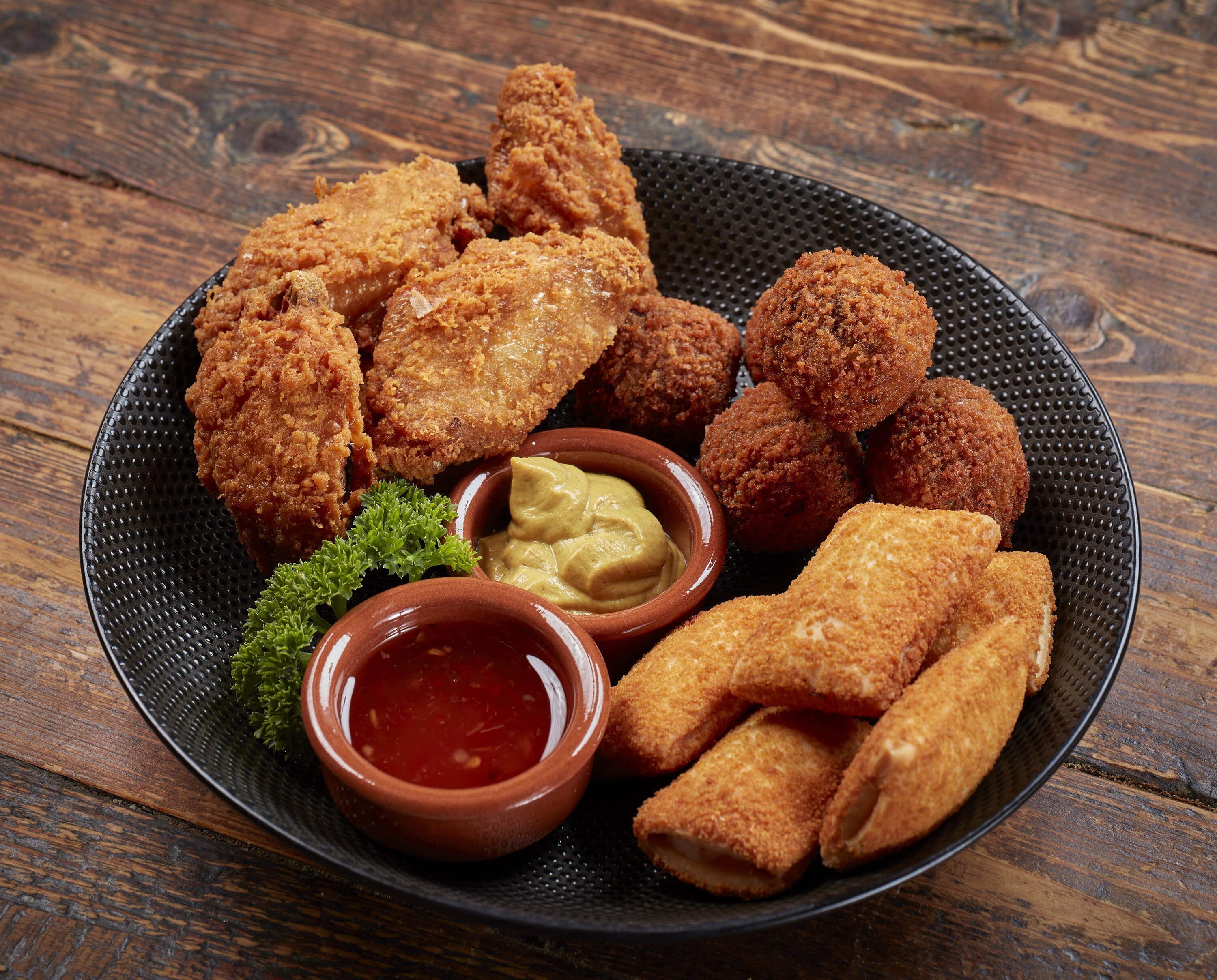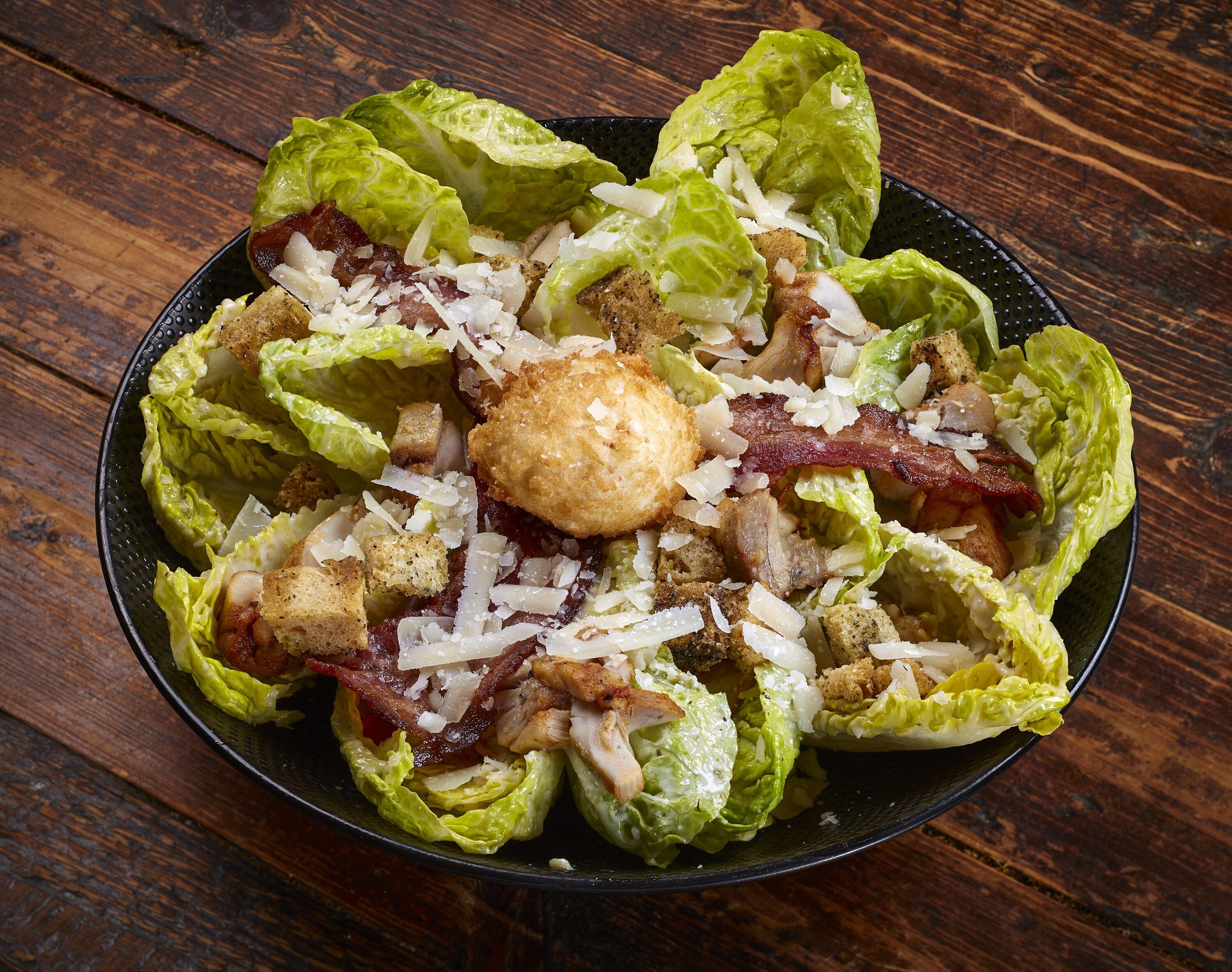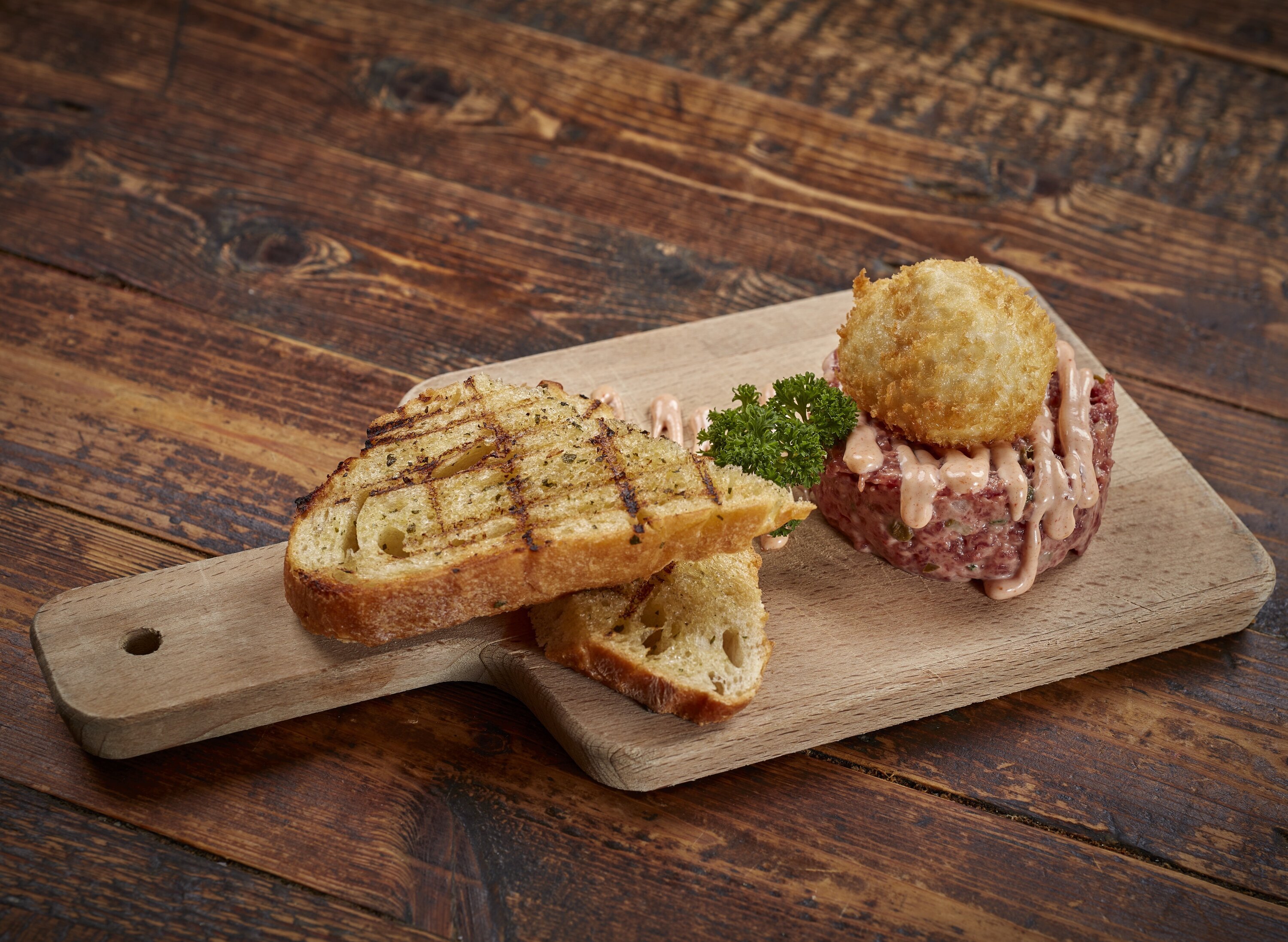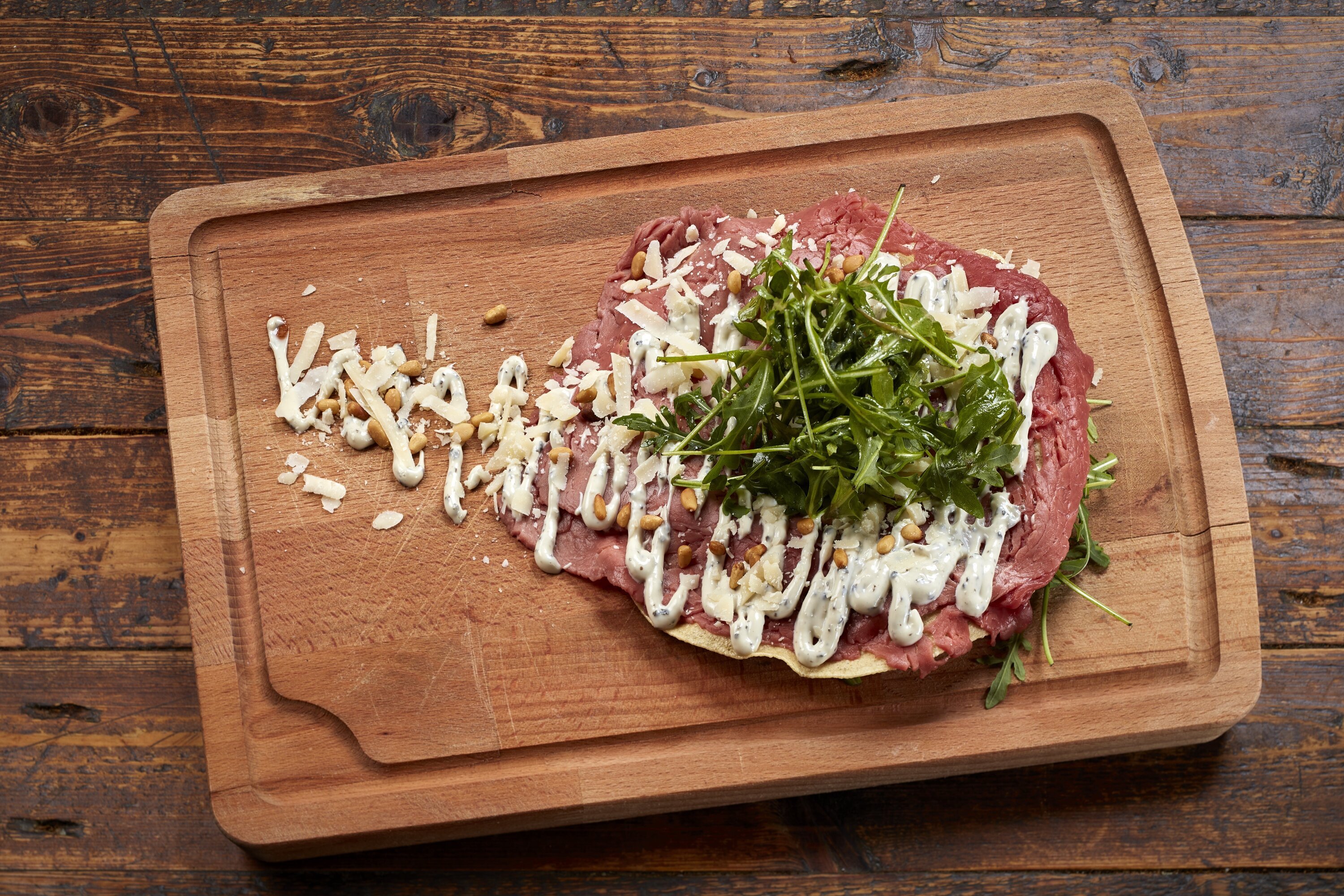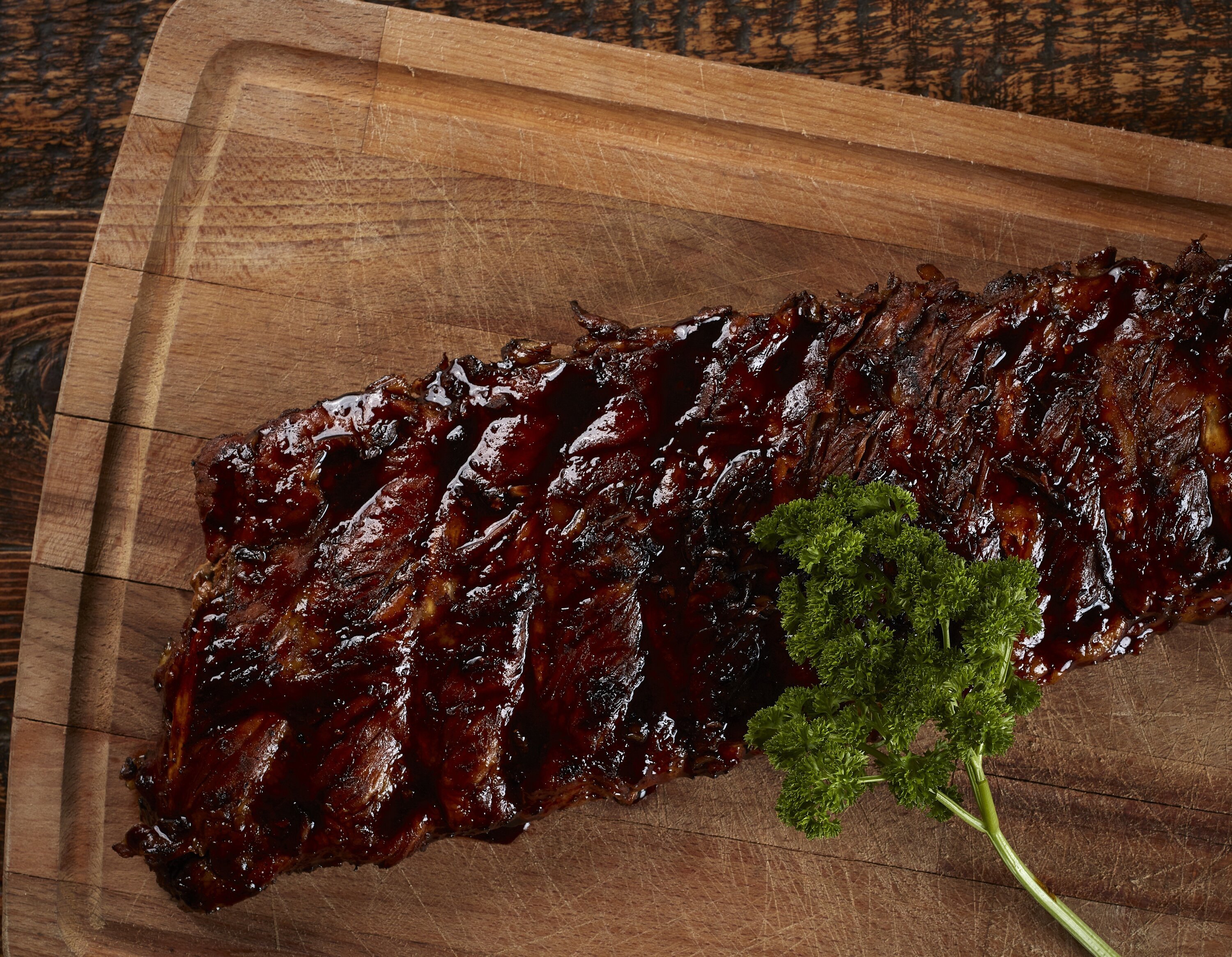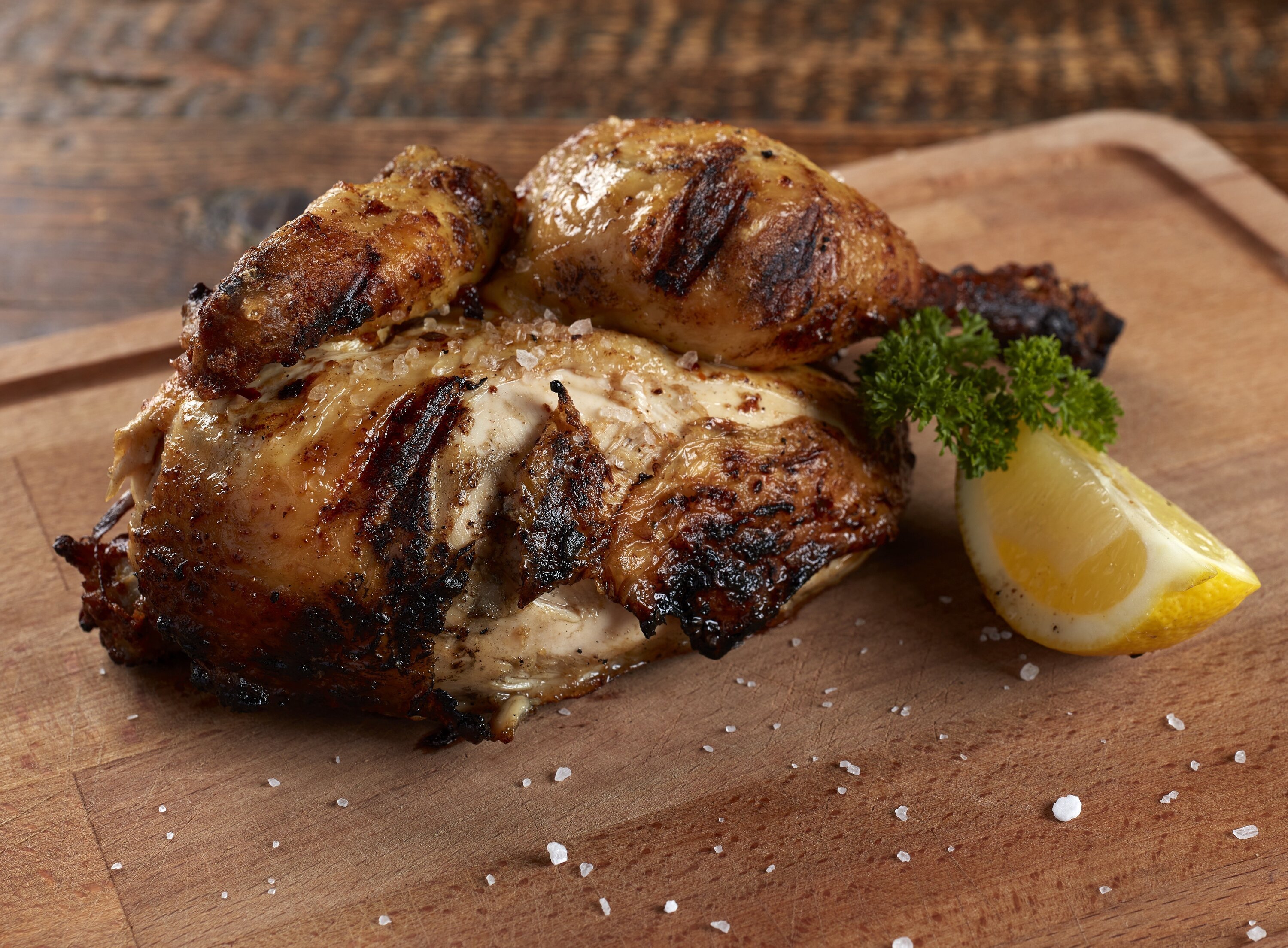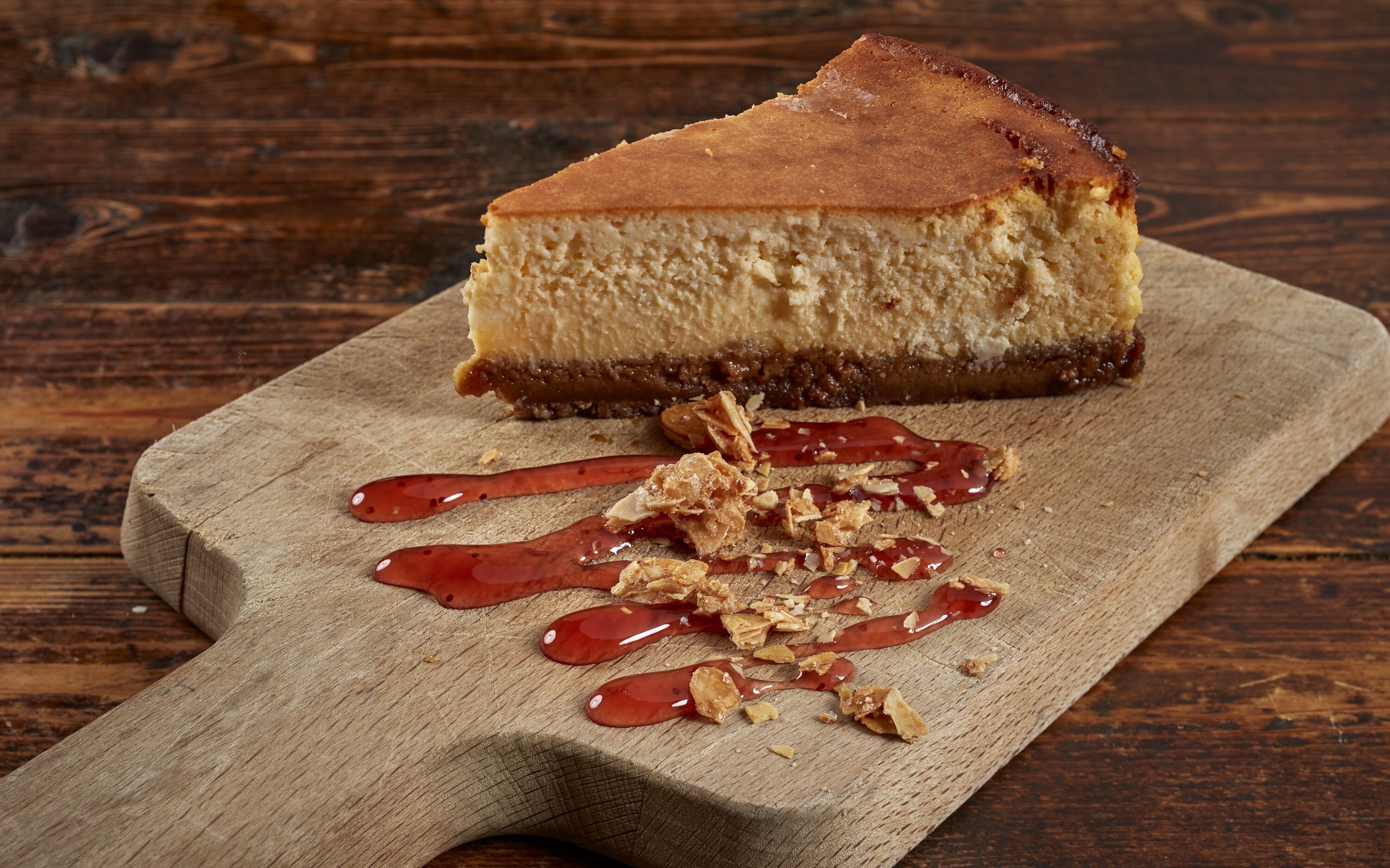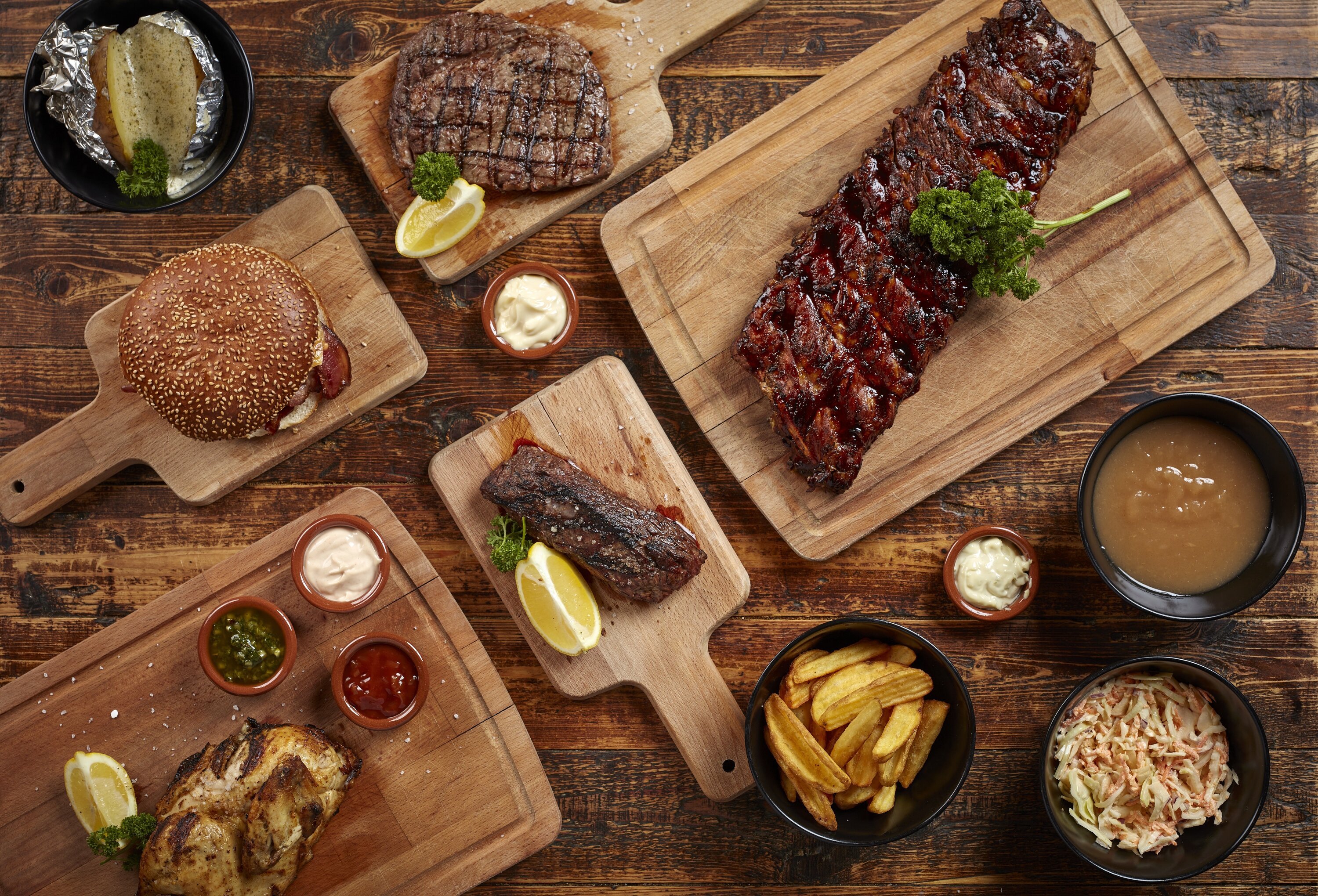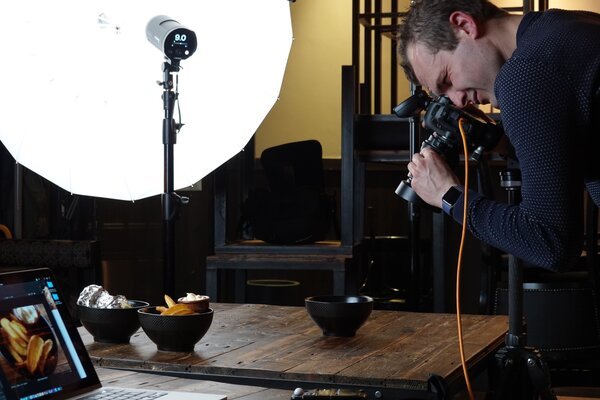
Bear with me. Last week I photographed lots of delicious food at Café Carbòn Zuid in Amsterdam. I'm happy to share insights about why I think these compositions work well.
Although this isn't an exact science, I think my ideas are useful for people who want to try this themselves. In this article, I'll briefly write about the use of light and lines.
For other branches of photography, you might want to have a look here or better yet here: The Rijksmuseum. This was really fun, mum.
Back to the lesson. Almost always, a viewer's eye is first drawn to the brightest part of a photo.
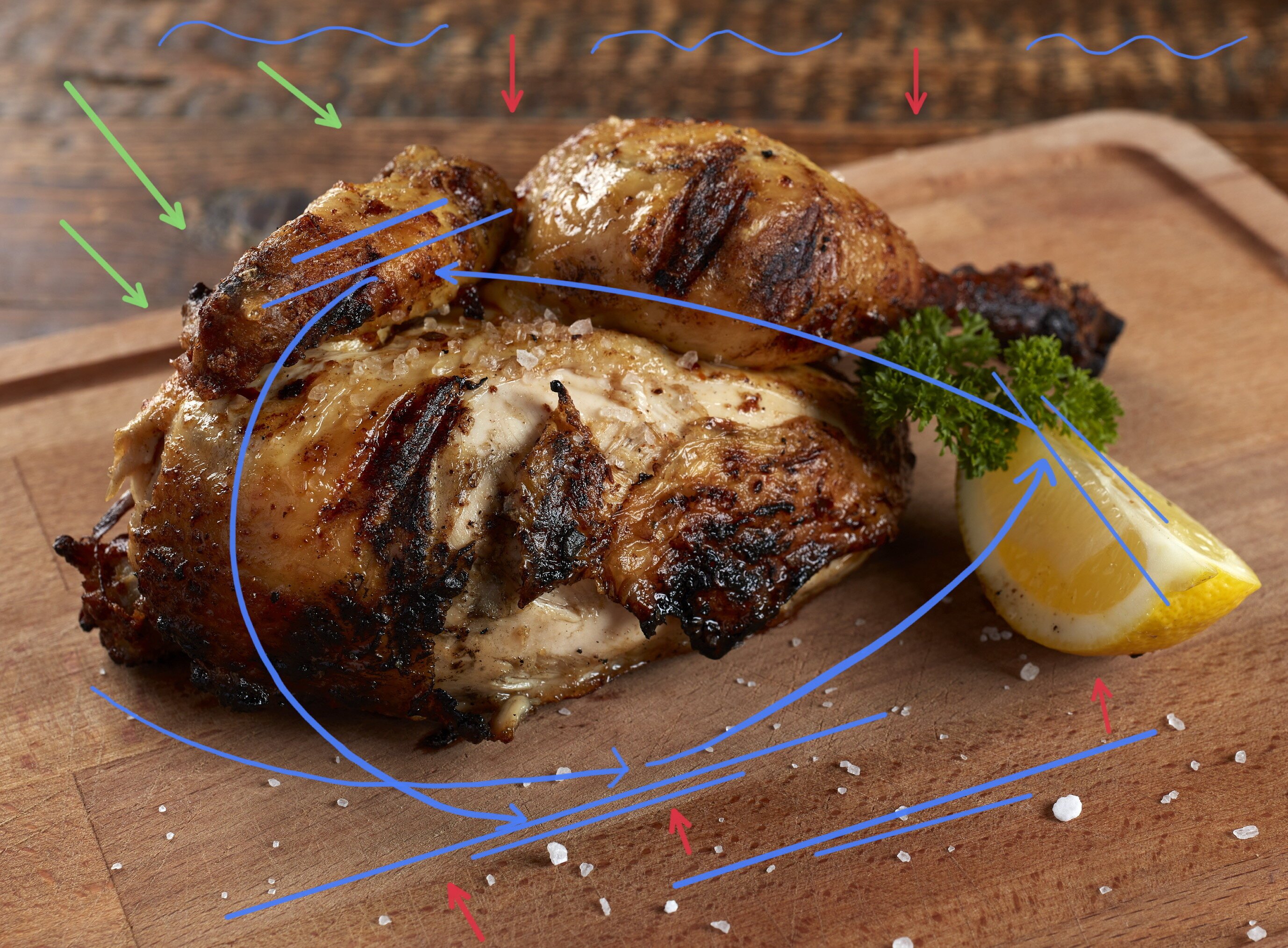
When photographing dishes, I want the light to come from a natural place. I want people to imagine that they're sitting at the table, seeing this food served in front of them. The light shouldn't come from below, because that's where they’d be sitting on their chair. The primary light therefore comes from above in these photos.
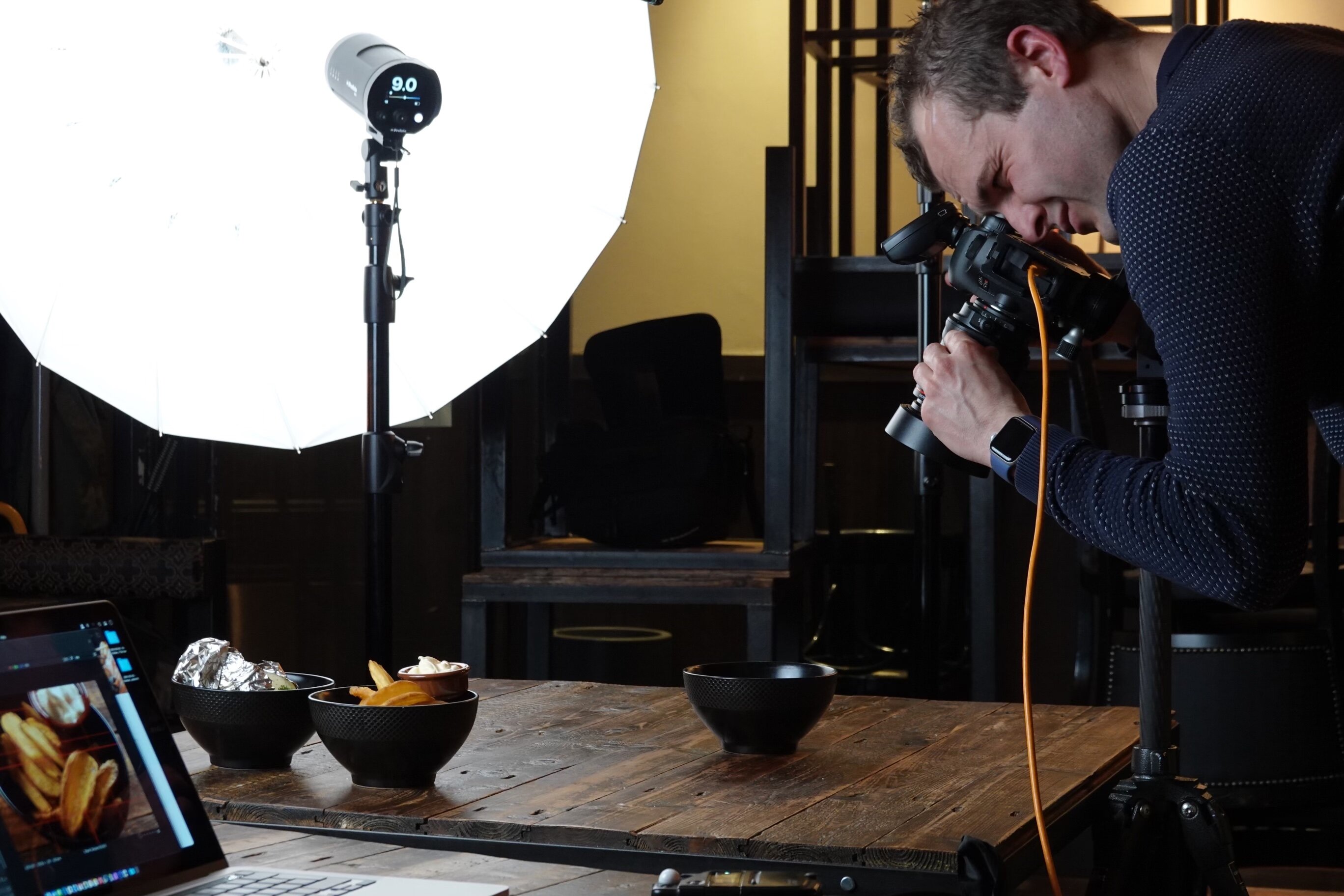
Texture, colors, and contrast are crucial for attractive photos of food. Reflections of meat juices are associated in the brain with (hopefully you mainly have experience with) delicious food. So a reflection isn't always undesirable. While photographing, I use my laptop to estimate whether I want more or fewer reflections.
The number of reflections can be influenced well by changing the angle of the light. I photograph with flash units and can move these subtly. When you're working with existing (day-) light, you can often move the camera slightly for more or fewer reflections. You can also use curtains or large pieces of cardboard to reduce or accentuate reflections.
Hard light makes texture clearly visible. A piece of food gains extra appeal through associations in the brain.
Light becomes harder as the light source becomes smaller. You can't make a large window smaller. But you can try to reflect the light onto your subject with cardboard. This is a smaller and less powerful light source.
Studio lights are made to be modified. Commonly used tools are umbrellas, softboxes, snoots, barn doors, and beauty dishes. For these photos, I used, among other things, two umbrellas with a diameter of 105 centimeters. The flash units were set at considerable power at a distance of approximately 1 - 1.5 meters from the table. Put the flash units with umbrellas closer and the texture becomes less: because the light source becomes larger. The lamp doesn't actually grow, of course, but the distance of the light source does affect the hardness of the light. It's a matter of taste (haha) which balance works well for attractive photos. During photo sessions, I assess on my laptop and with a light meter whether the light is to my liking.
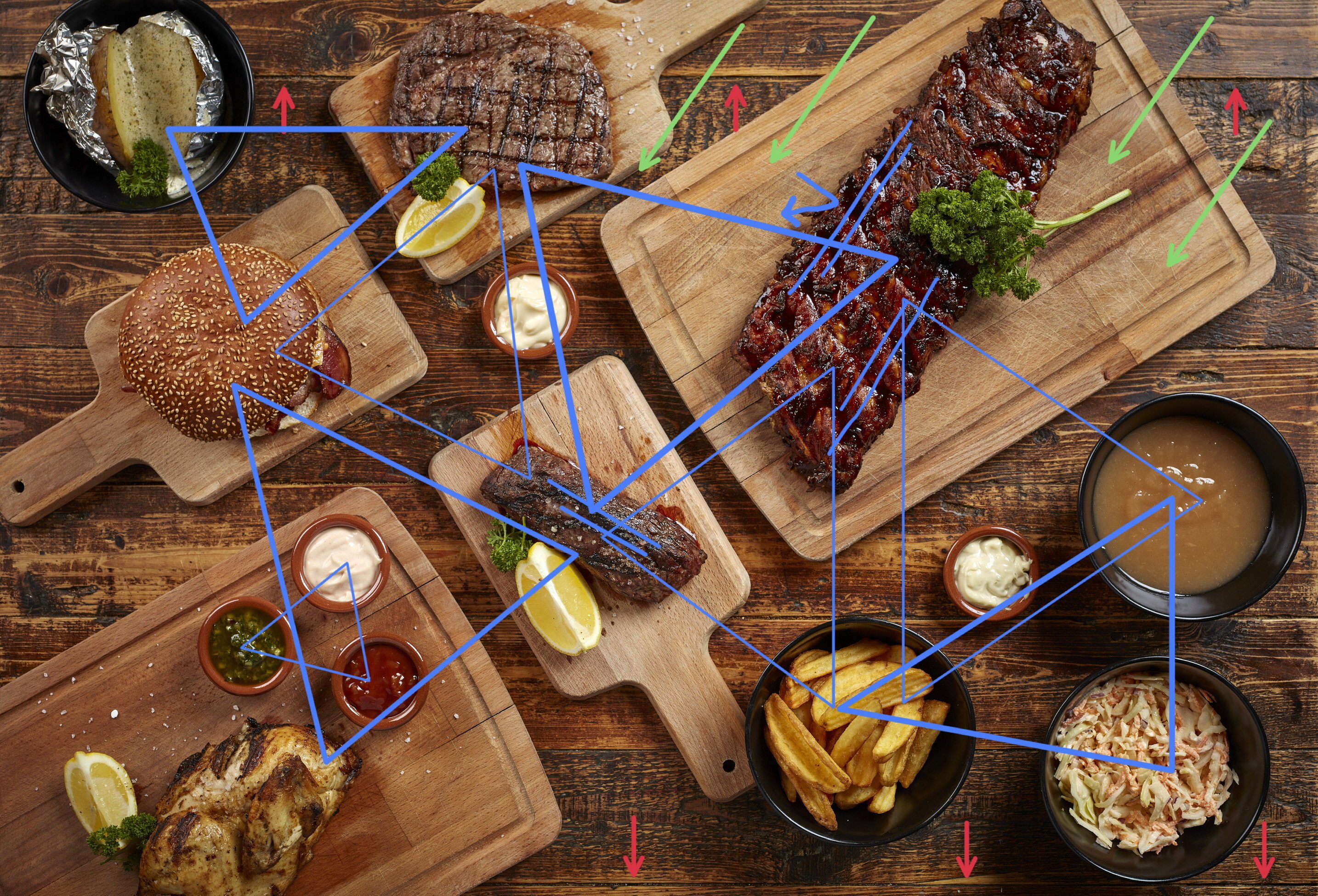
An element that has a bit less to do with taste is the use of lines. Horizontal lines create calm. Ideal for, say, a back- or foreground. In most photos, you can see that I bring the lines of the table into the image horizontally. That way we do have the atmosphere of the table, but no restless lines that disrupt the composition.
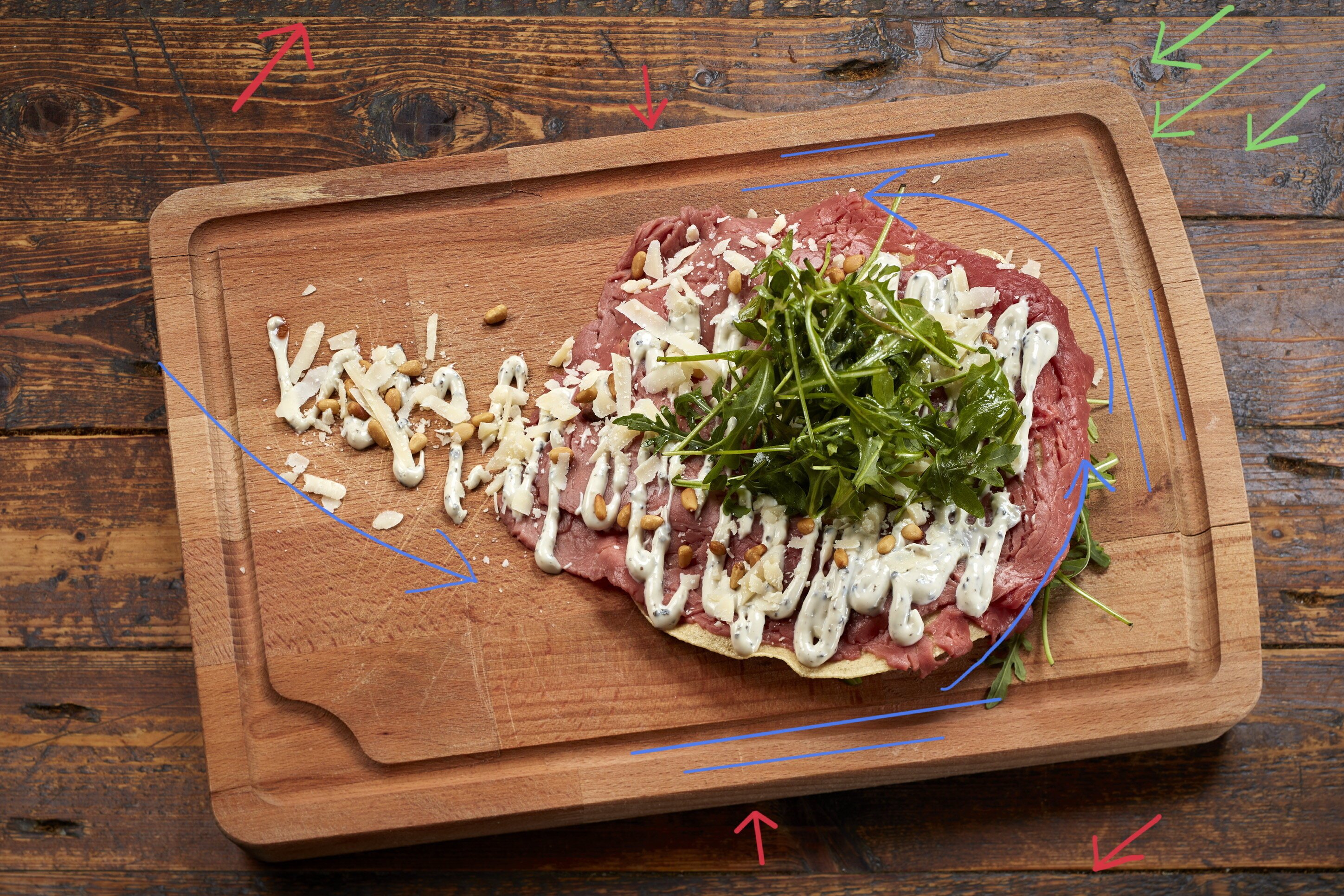
I create supporting lines myself. Often the viewer unconsciously starts at the brightest part of the photo, as I described at the beginning. From there, I look for sight lines. I carefully place dishes with boards and tableware so that I make the viewer move in circles within the photo. The goal is to keep the viewer in the photo without them accidentally being 'pointed' out of the frame.
This story is nicely abstract. That's why I got to work with my iPad to sketch a number of lines on a few photos. Hopefully the sketches support my story and more attractive photos will be made of all that delicious food.
Can't figure it out or want to collaborate sometime? Call 0616487085.