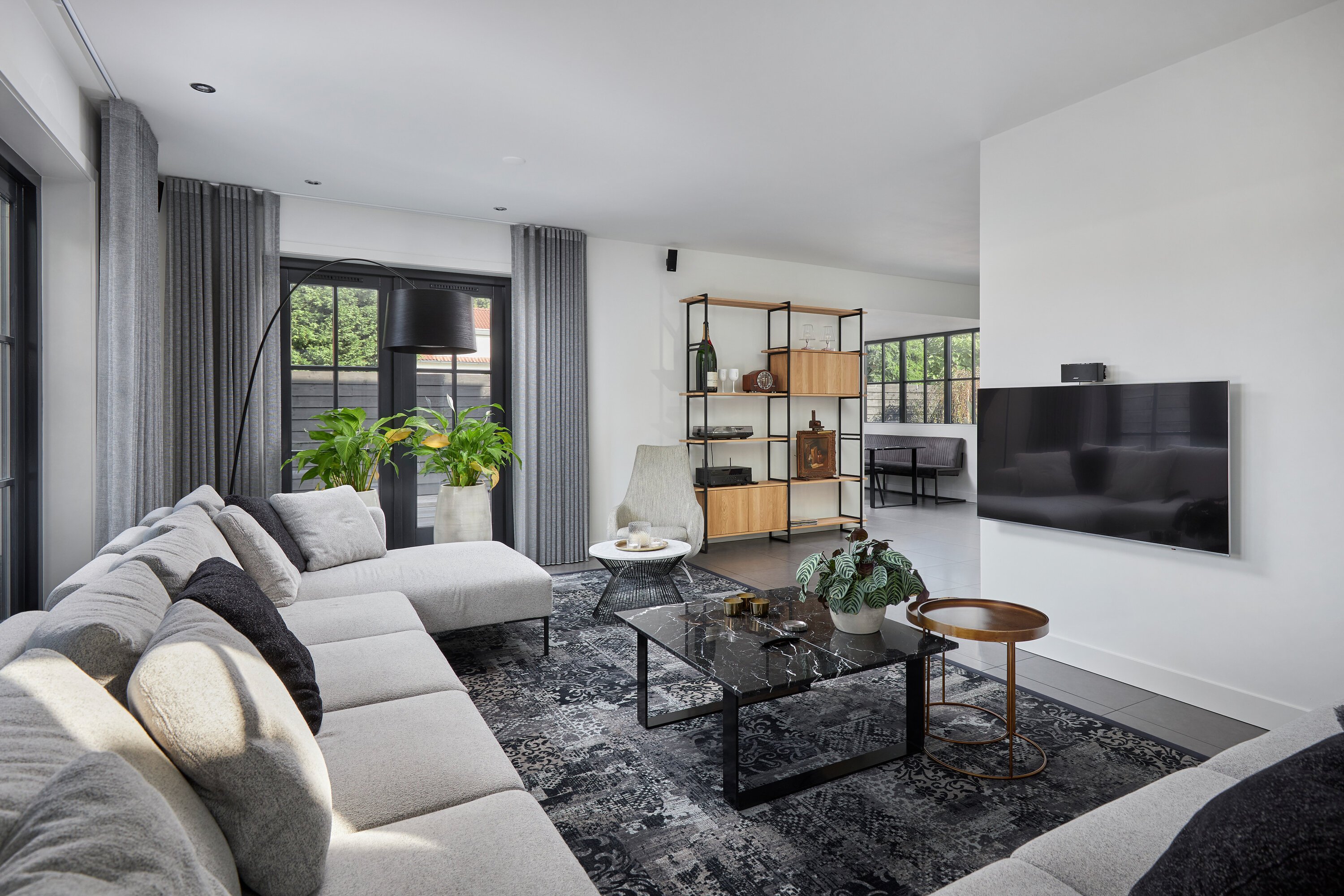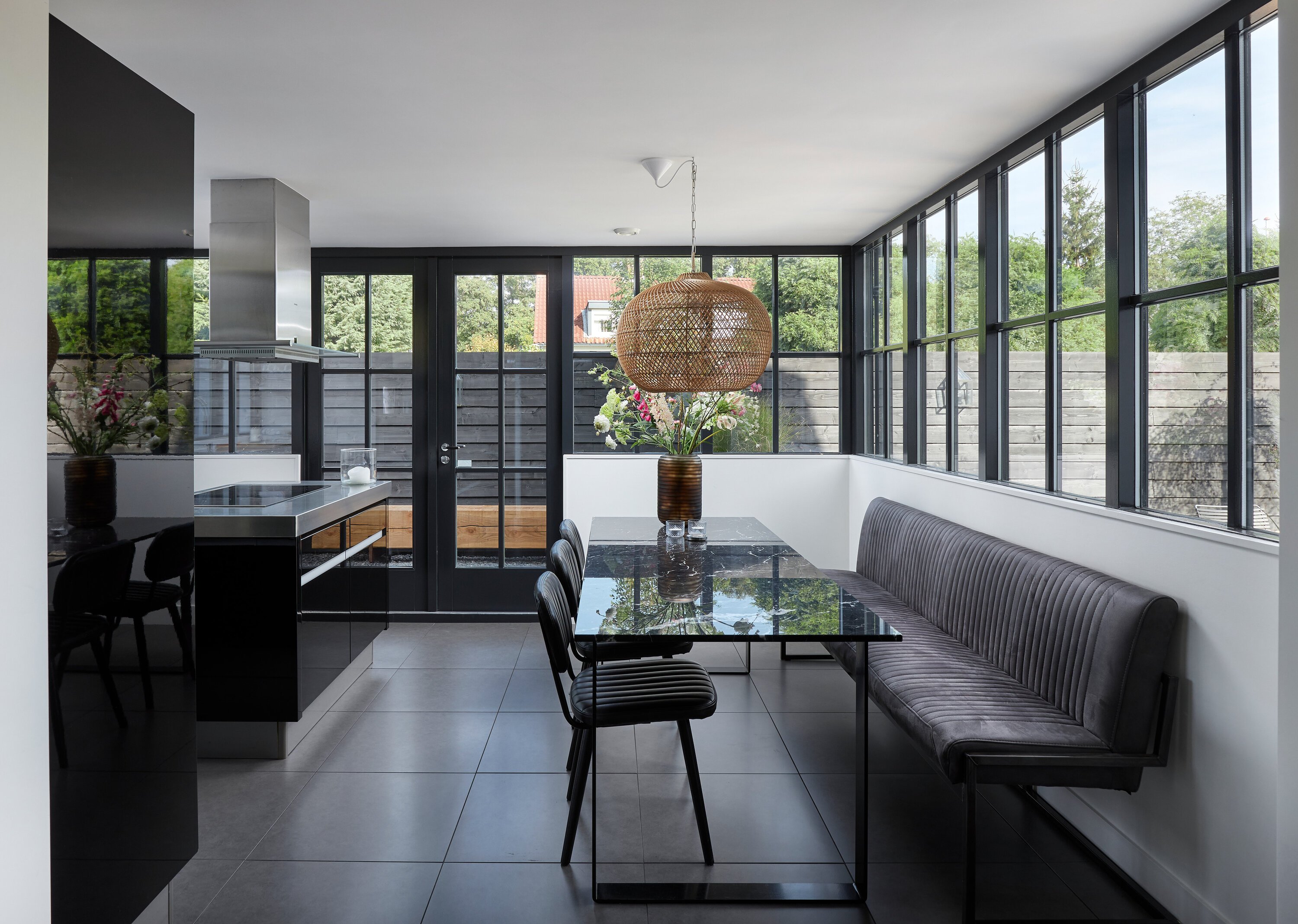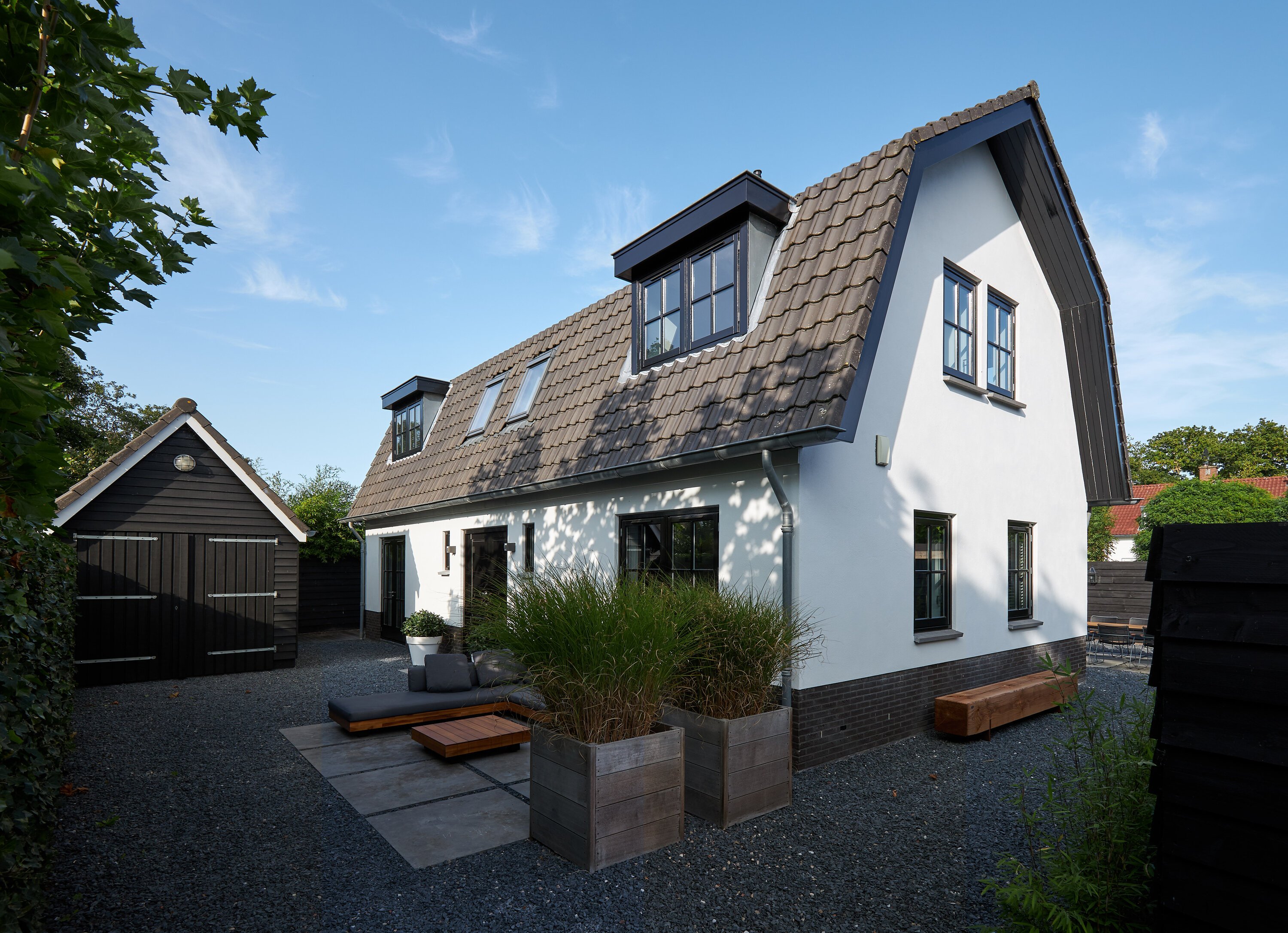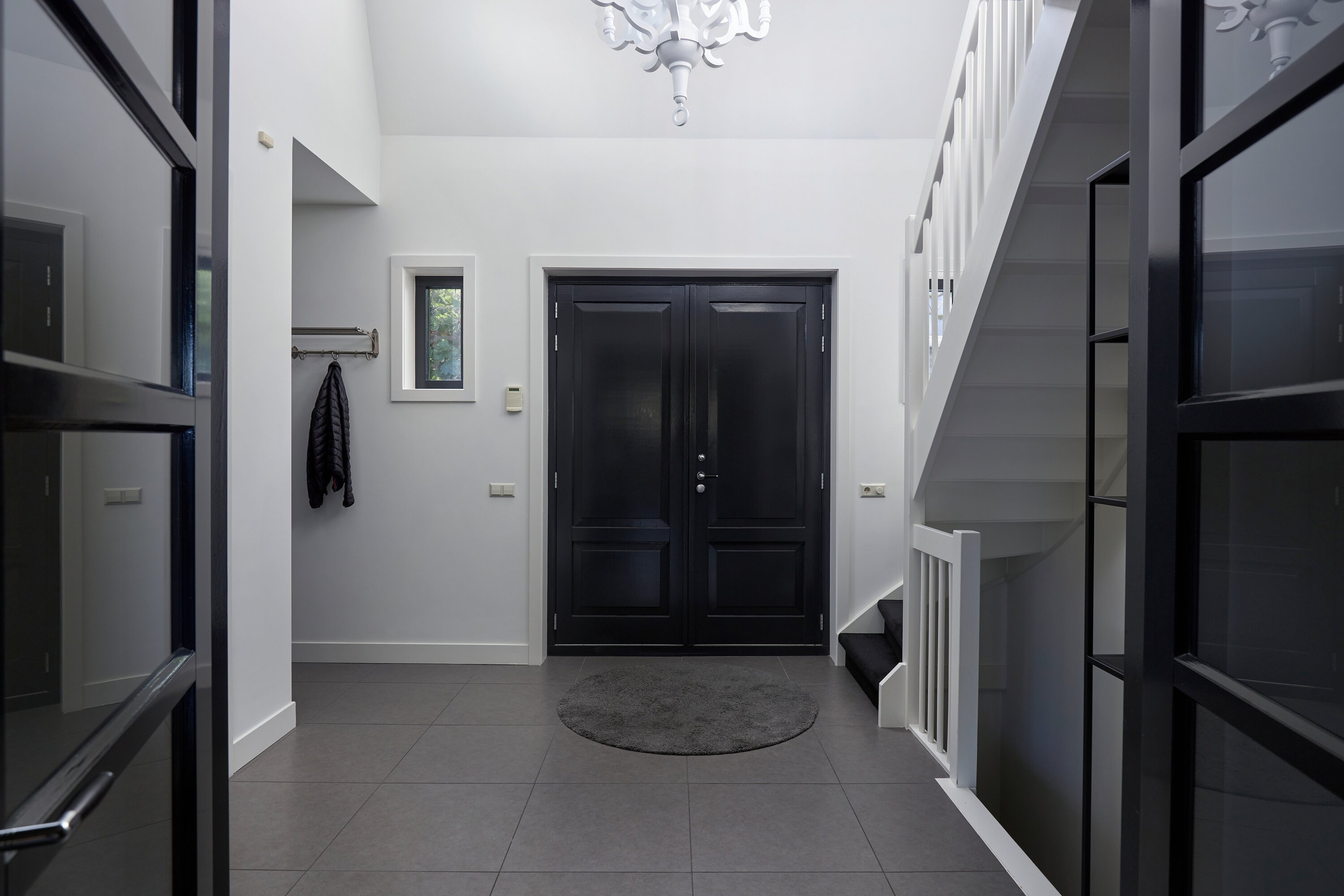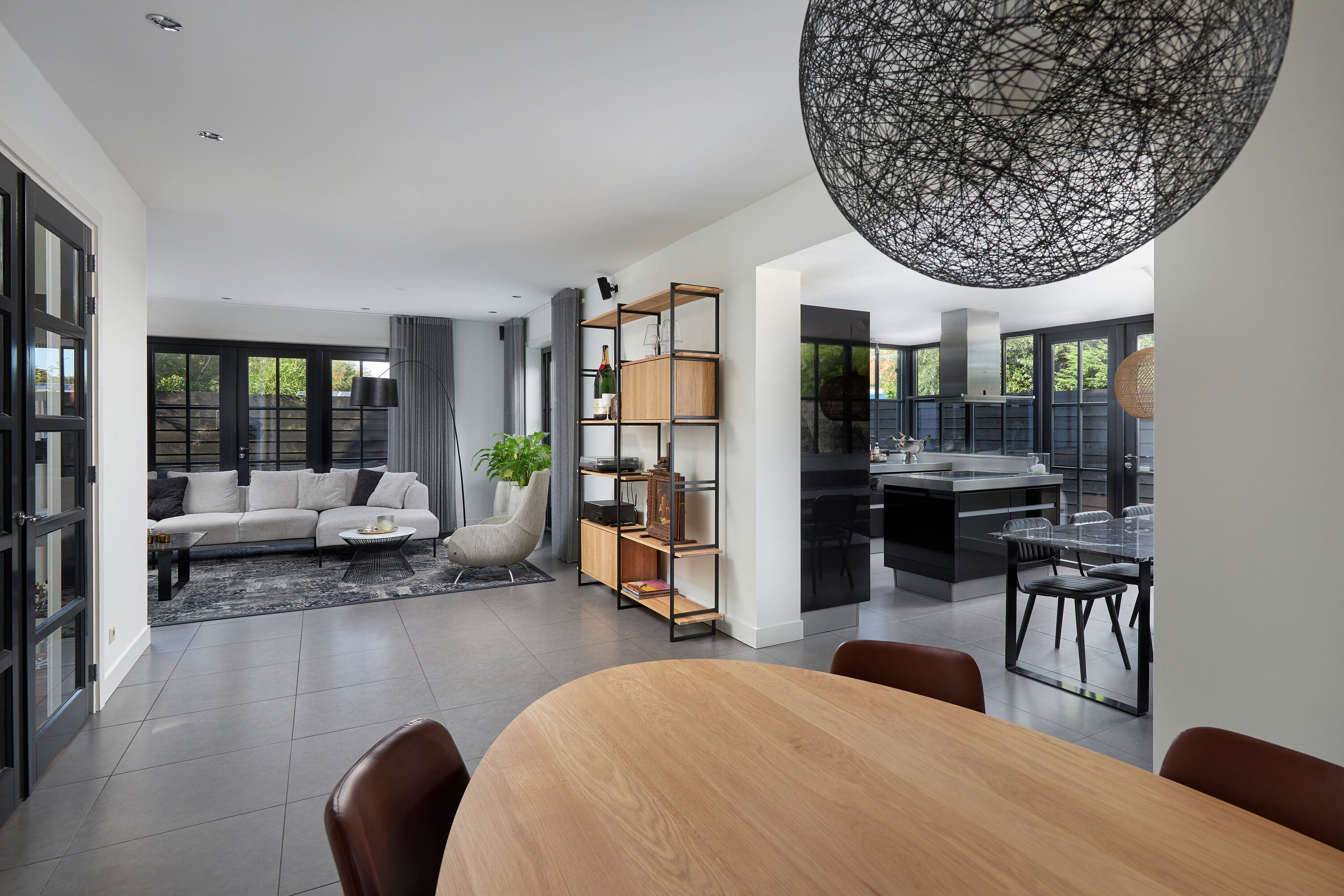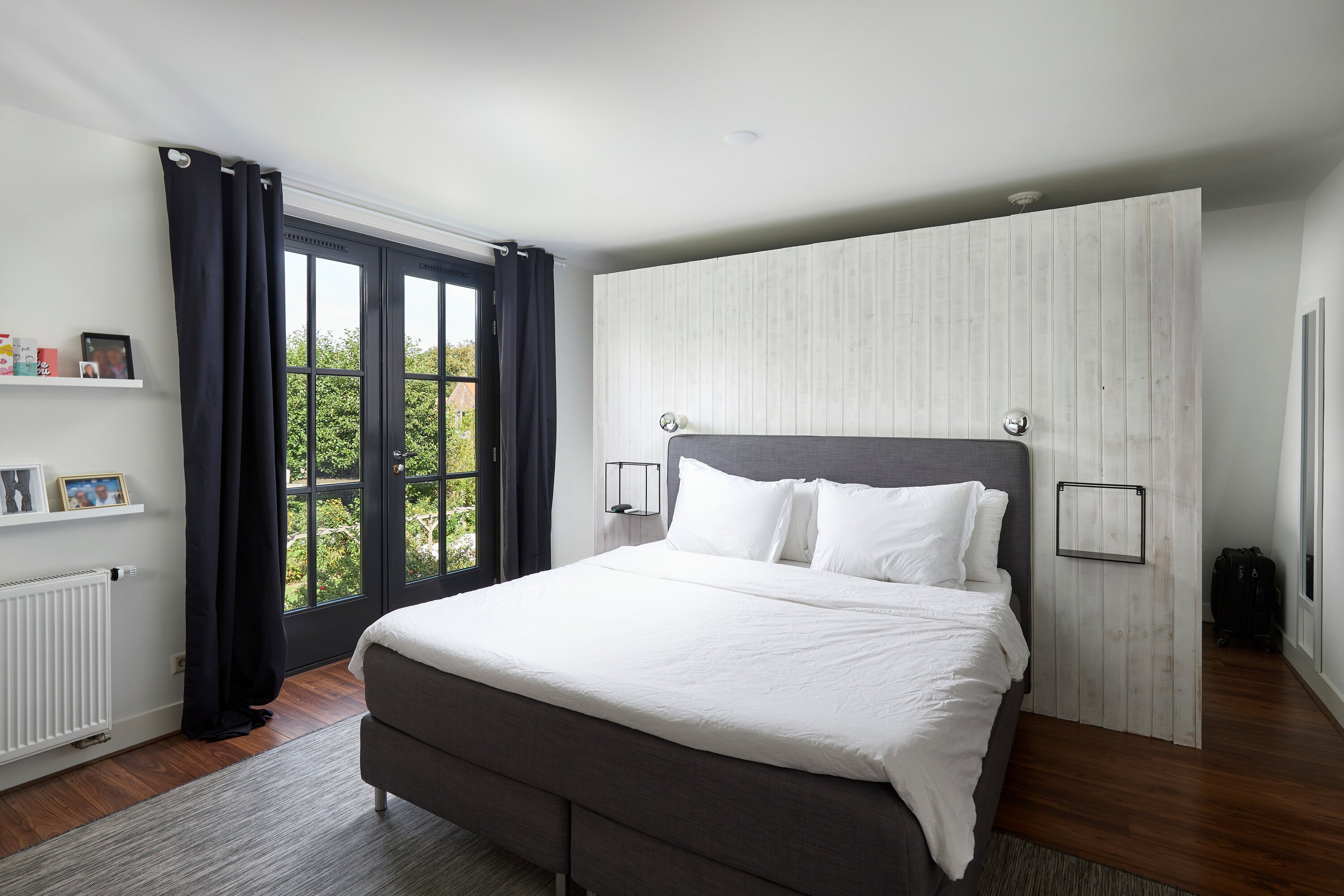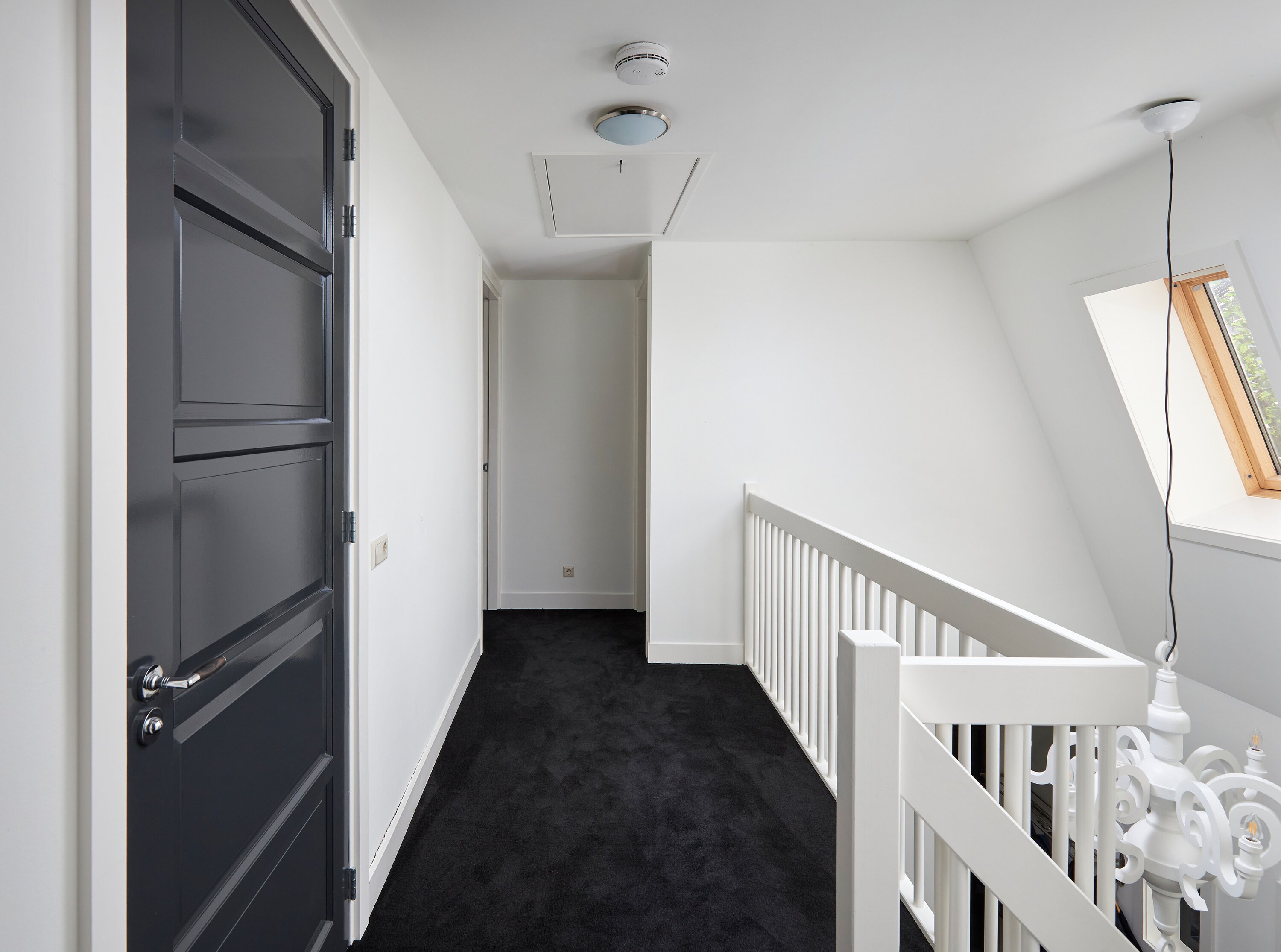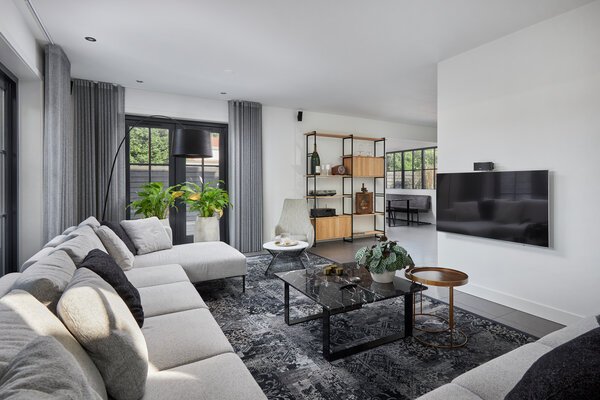
In Loosdrecht, I photographed this sleekly finished and spacious villa. View a selection of my images or explore the property virtually in 360 degrees.
For many years, I have photographed homes, commercial properties, and recreational real estate for the sales presentations of Veerman Makelaars in Loosdrecht. From apartments to single-family homes and spacious detached villas: Veerman Makelaars connects supply and demand in Loosdrecht and the surrounding area.
Earlier, I wrote about a new 360-gradencamera-opstelling en workflow. Since then, I have completed several additional projects and created this virtual tour.
The virtual tour is designed as a standalone sales tool. It begins with a selection of images from my regular photography report. Below that appears a button labeled “virtual viewing,” placing the visitor virtually in the front garden. Using navigation arrows, the menu in the top right corner, or the interactive floor plan via “layout,” prospective buyers can explore the villa from home, inside and out. A question in this era of working from home: where would you choose to work from?
Within the virtual tour, the real estate agent’s logo is visible and the colors of the User Interface are aligned with the agency’s corporate identity. The “detail” button in the bottom right directs virtual visitors to the property page on the agent’s website. In this way, we retain traffic on the agency’s own website instead of directing visitors to an external platform such as Funda.nl, Jaap.nl, or Pararius.nl.
Al sinds 2009 I have been actively working with 360-degree photography. That this technique is not new should be clear. Recently, 3D scanners have gained significant popularity. I sometimes speak to people who confuse 360-degree photography with “3D photos.” Recently, I was asked about the differences.
I will elaborate on this further at a later stage, but in short: 3D scanners collect large volumes of distance measurements from the same position where a 360-degree image can be captured. These measurement points can then be used in specialized software to virtually reconstruct the space. A well-known provider for the real estate market is Matterport.
Matterport is a provider that operates on a subscription-based business model. A provider of Matterport virtual tours requires a subscription to process the raw data from the scanner into an interactive tour. In addition, the same subscription is required to publish and maintain that virtual tour online.
This service is continuously developed with scalability in mind, which often results in longer processing times.
The philosophy behind Matterport seems, in my view, to be that anyone with a scanner produces the same standardized quality of virtual tour. The tours look polished. However, I suspect that the automatic uploading and processing of raw data — combined with limited opportunities to adjust — can create an (undesired) dependency. Additionally, as a provider, you have limited insight into how the technology functions and how you can further improve your products and services for clients.
I develop my virtual tours myself, from raw image files to floor plan creation and final publication. Everything is created by my hand. Of course, I can decide that a button should appear in the lower left or right corner of the screen because, on a smartphone, our thumb naturally rests there. But even better is measuring how users actually navigate through my virtual tours.
Currently, around forty virtual tours with different user interfaces are running on a production server in Amsterdam. Using labels, events, and JavaScript, I measure how often users interact with various buttons, 360-degree images, and floor plans. With every new virtual tour I create, I incorporate these continuously evolving insights so that the overall experience and usability improve step by step.