NL Menu

Mar. 11, 2024

Film & photography about renovating a wooden herringbone floor

Photography and film production during renovations.

Not everyone is fond of wooden floors. Sometimes I photograph homes with wooden flooring, only to hear later that the floor ended up in a container. Of course, I also know stories of people who fall in love with a wooden floor—and it doesn’t always have to be a new one. For marketing and promotional purposes, I photographed and filmed the entire renovation process of this oak herringbone floor.

Renovation work on an oak herringbone wooden floor

First, the rooms are cleared as much as possible. Heavy sanding and polishing machines will be used later, so it’s best for items like the coffee table to be moved elsewhere. Once the rooms are (mostly) empty, the following work can begin:

Applying oil: working it in and buffing it out

After polishing the wooden floor, the oil can be worked into the surface. More than forty different colour options are available from brands such as Rubio Monocoat.

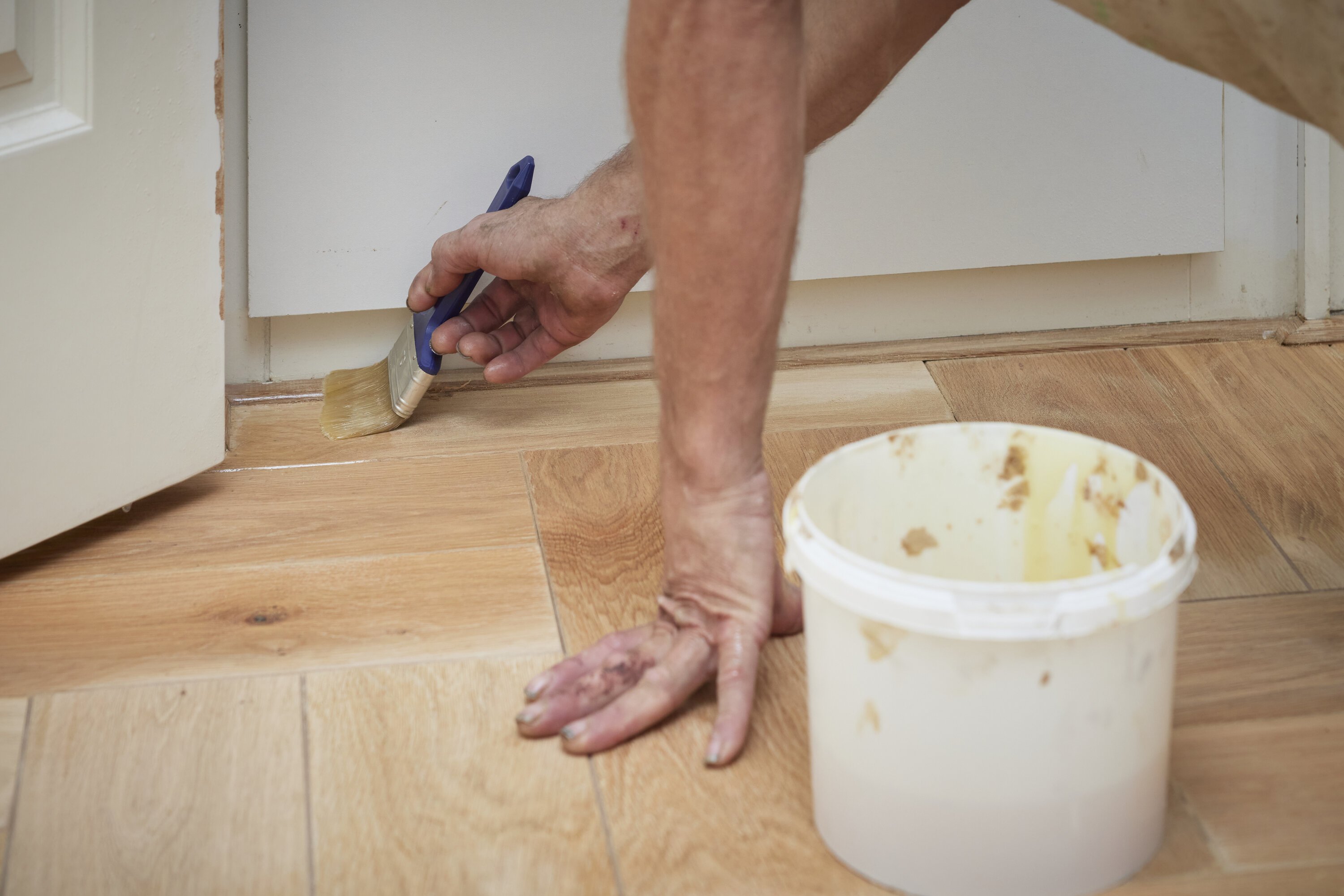
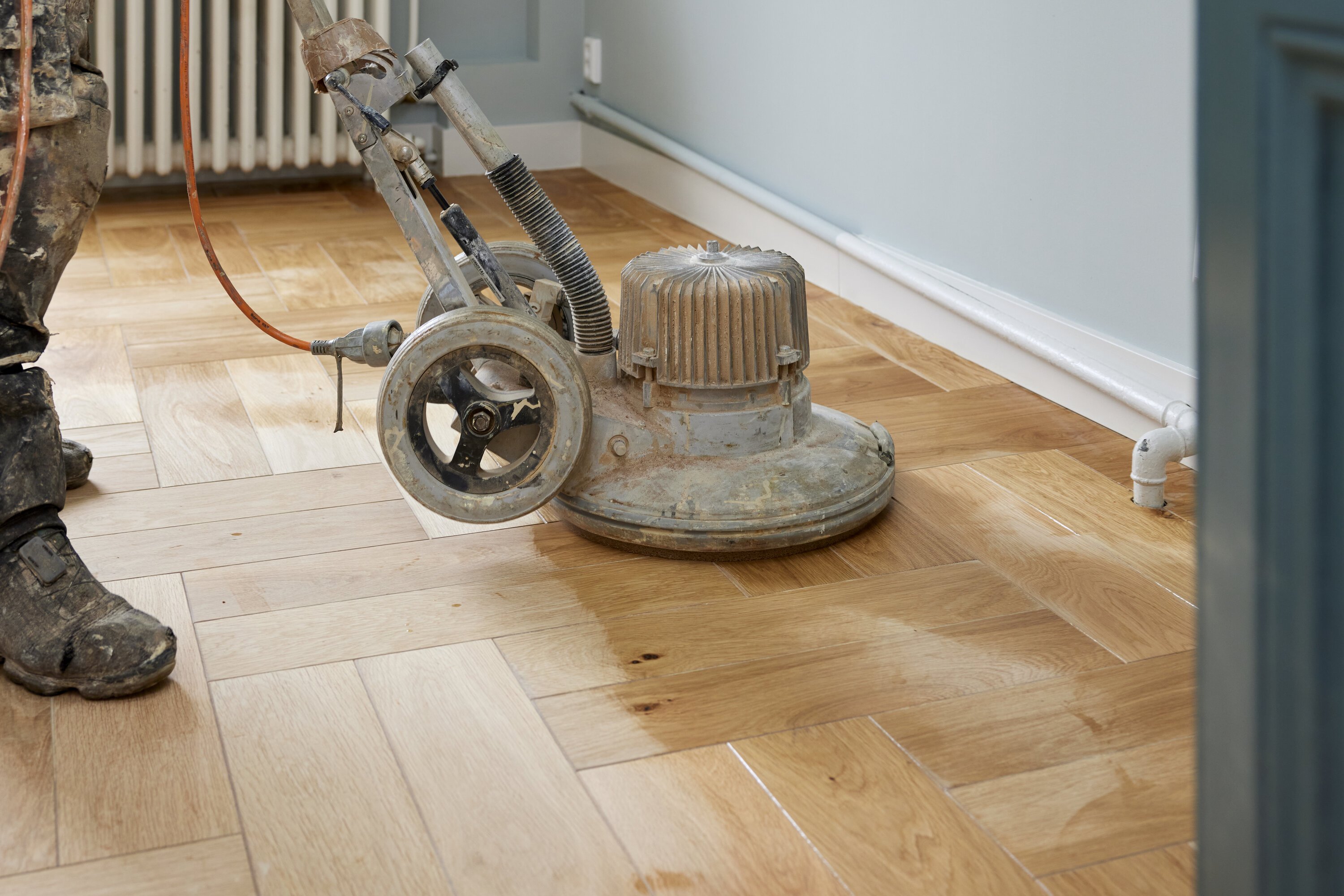
Along walls, window frames, and radiators, the oil is applied by hand using brushes and cloths. For larger surfaces, the same machine used for sanding and polishing is employed. A sponge pad is used to work in the oil. Once the floor has been treated, a fresh sponge pad is used to remove excess oil.

Drying and curing

After oiling, the floor needs sufficient time to dry. It should not be walked on for approximately 48 hours. After that, the floor is ready to be enjoyed for many years to come.

Photo series and video documentation

Below, you’ll find a selection of images captured during the renovation work. You can watch the video edit of the renovation process via this link: https://www.youtube.com/watch?v=j1lFZ4TaHh0

Collaborating on your renovation projects?

It’s my passion to document the work of skilled craftspeople in the right way. Project or interior photography can be used on your website or social media, but they are even more effective as references during (introductory) client conversations. Show what you’re proud of—so others understand why they should work with you.
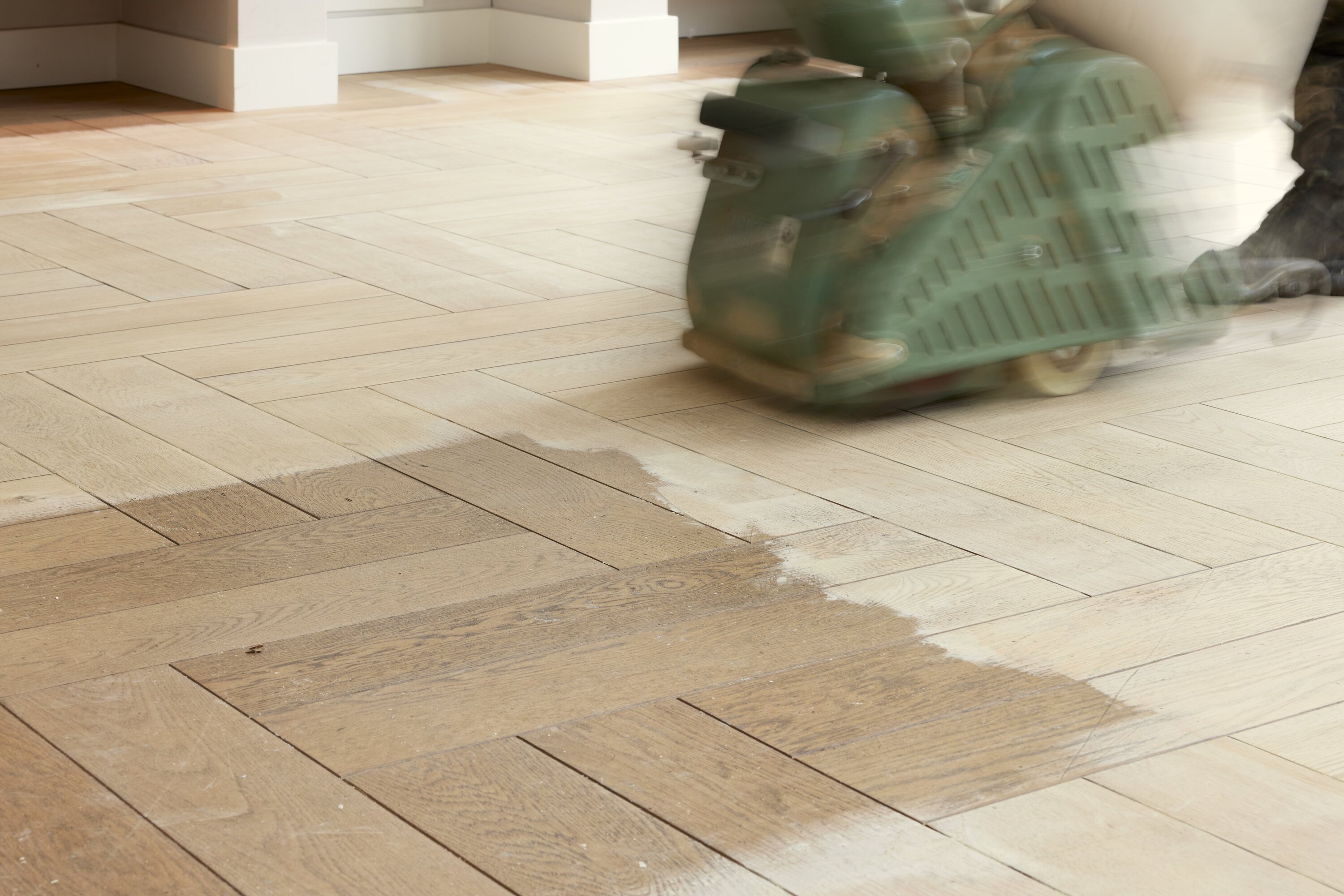
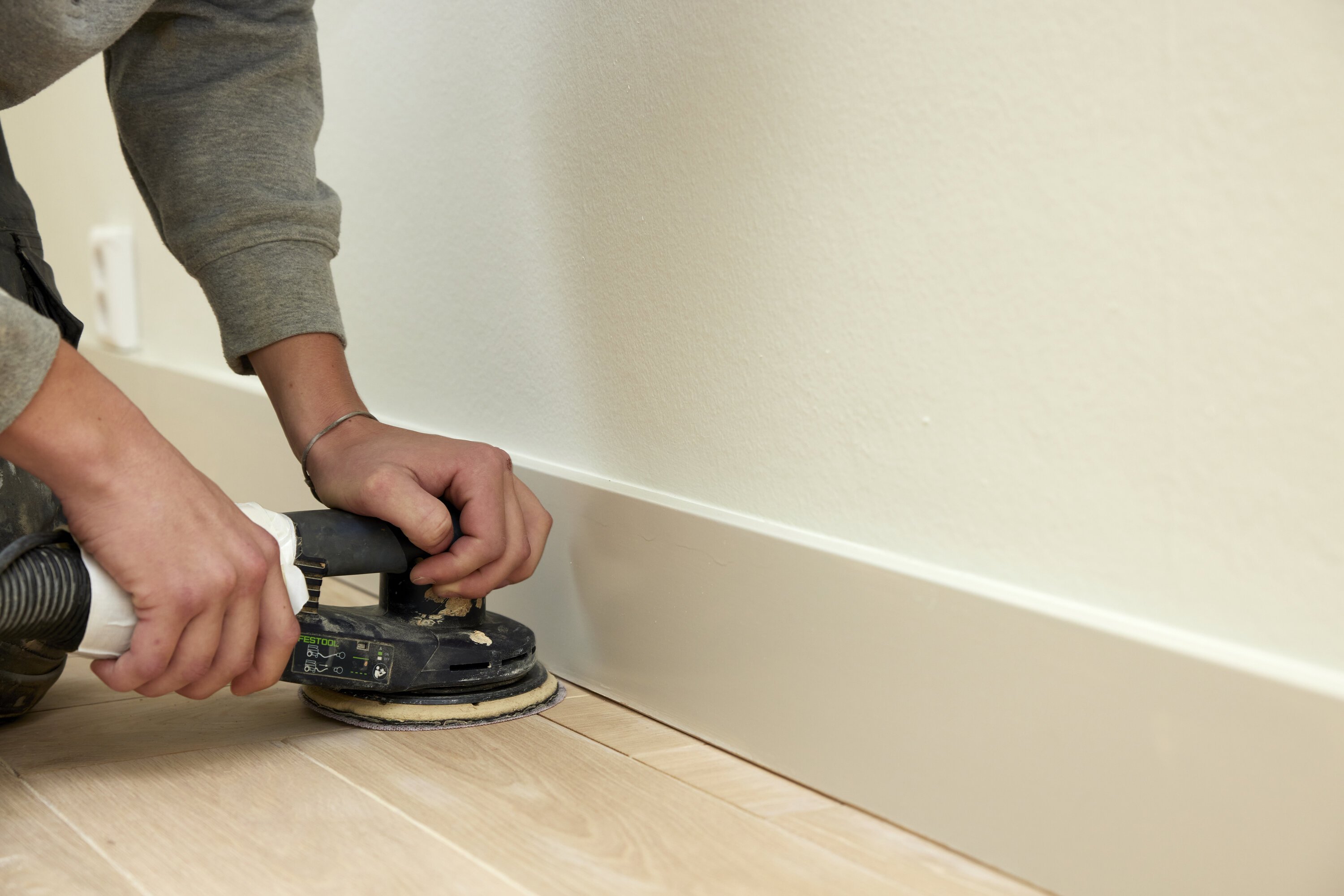
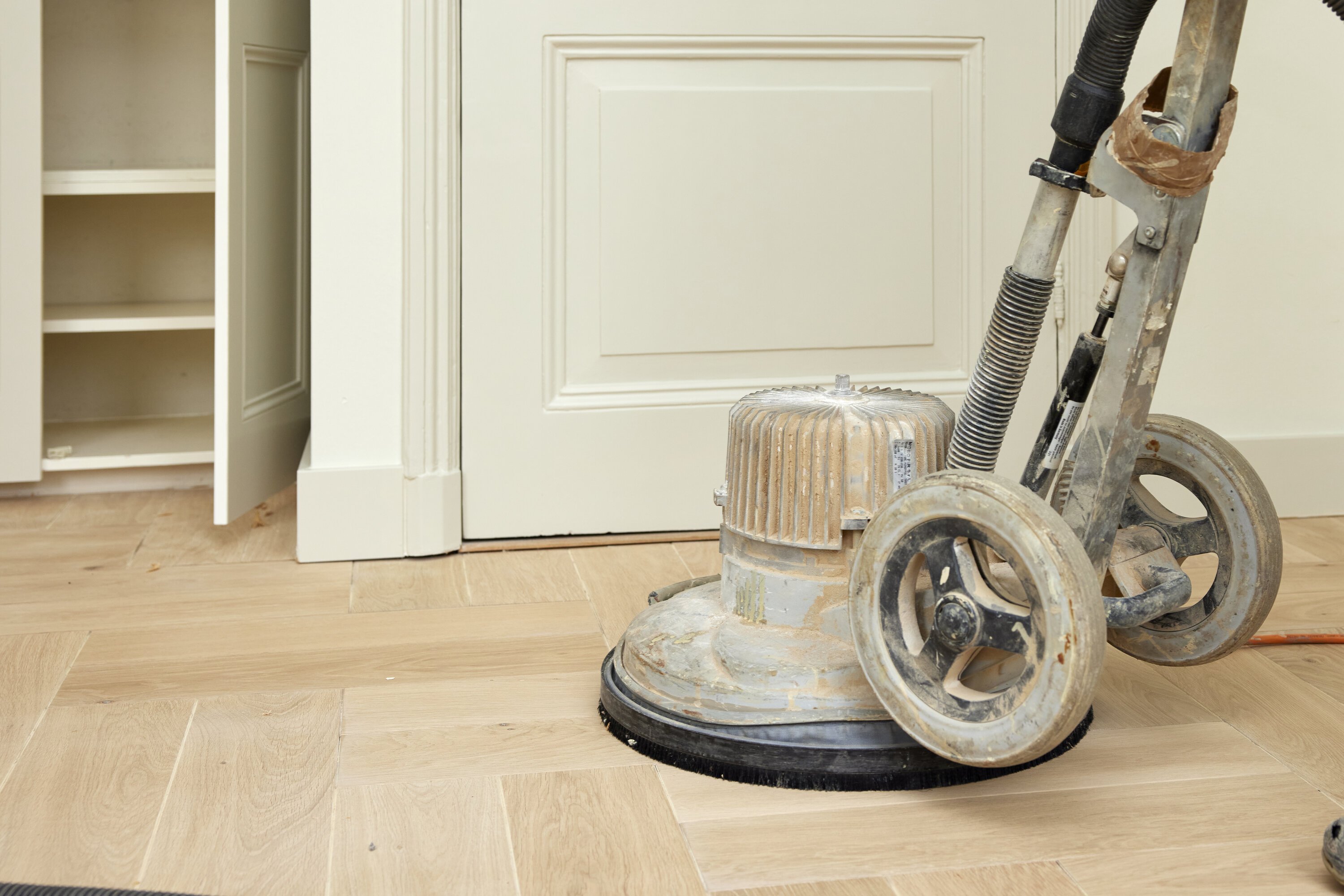
Using a professional sanding machine, unevenness and imperfections are removed, and the original colour of the oak becomes visible again.
Along skirting boards, window frames, and radiators, the floor is cleaned using lighter handheld tools.
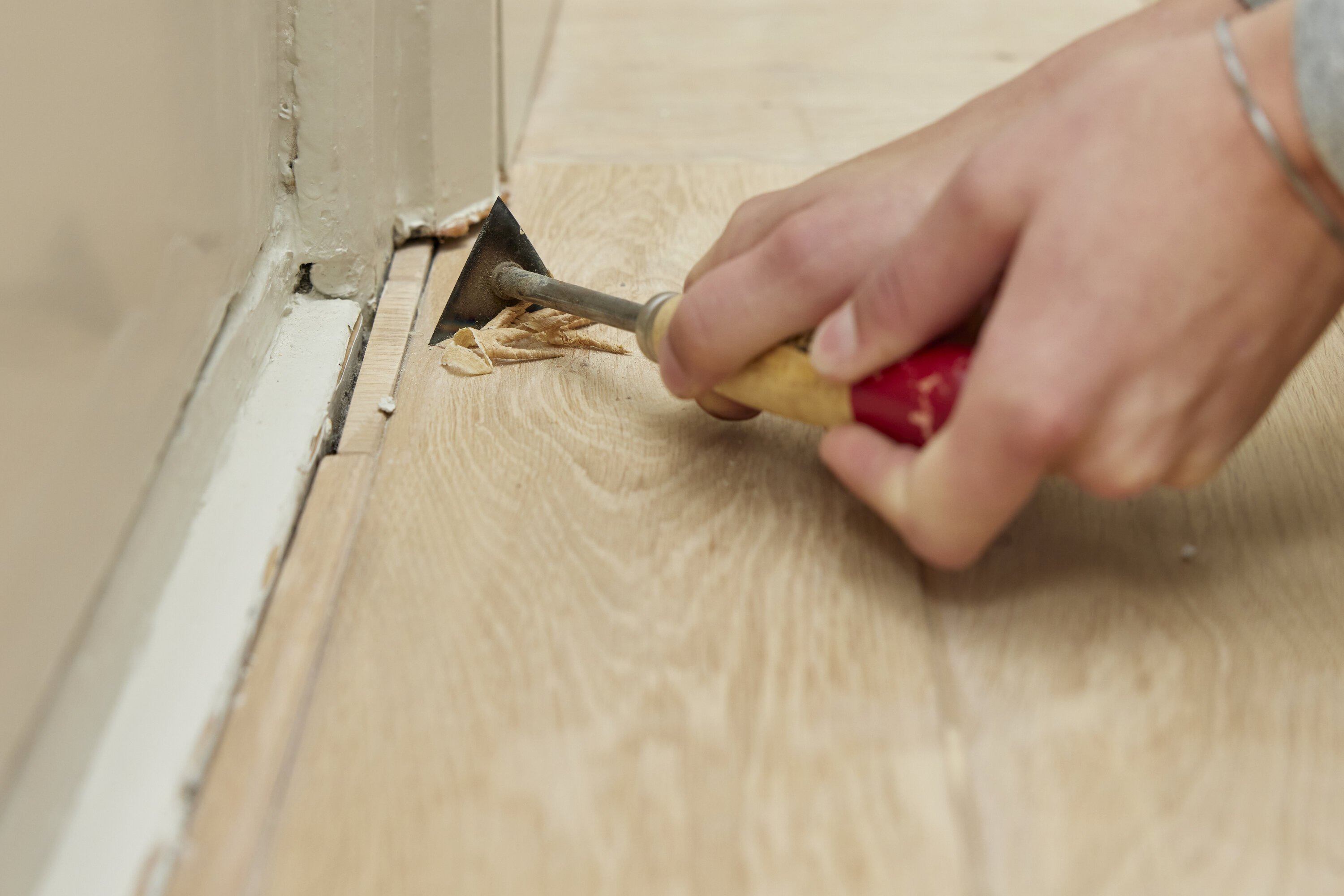
Any stubborn (adhesive) residue is scraped from the oak using a scraper.
Once the floor has been cleaned, it is polished.
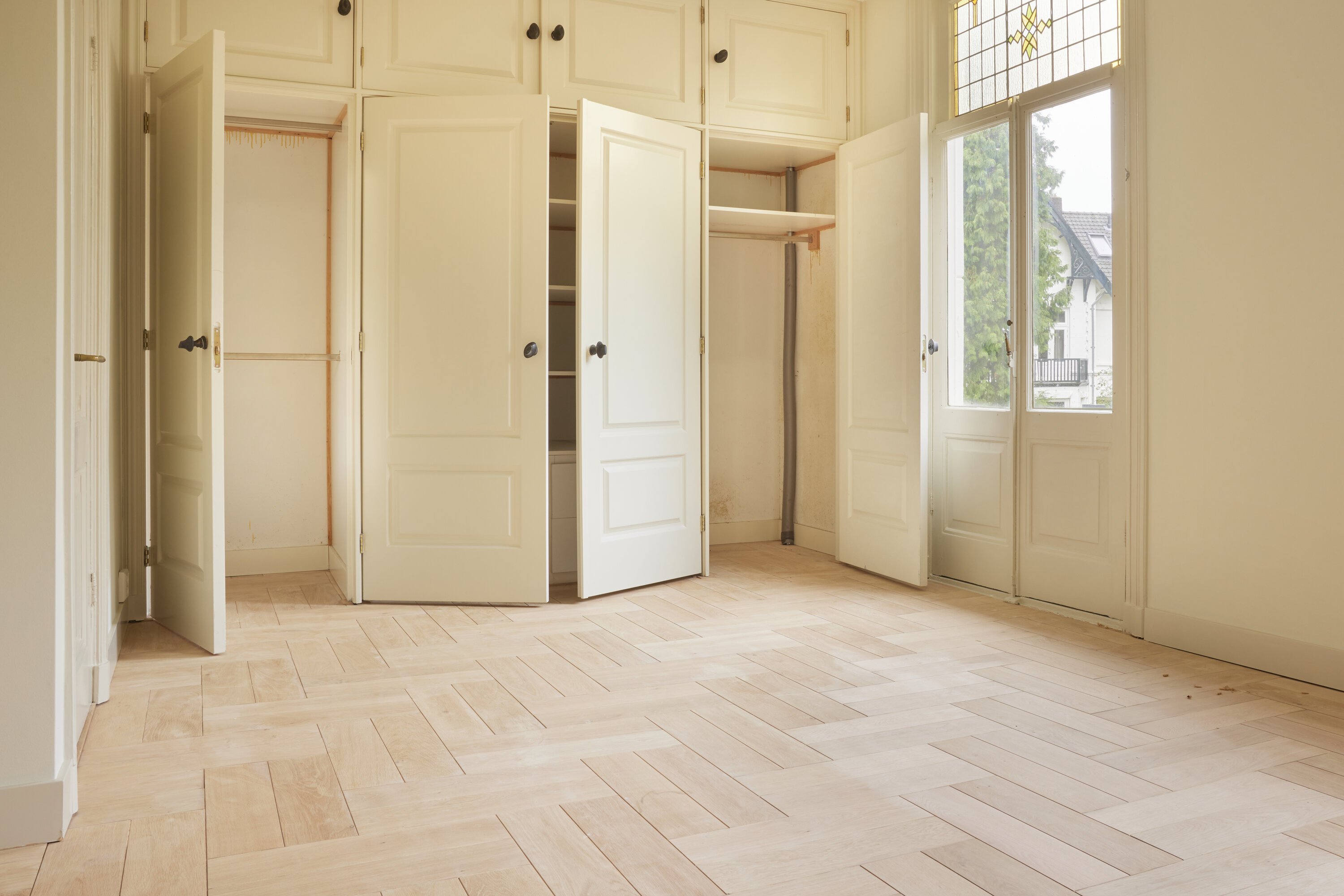
After polishing, the cleaned oak herringbone floor looks like this.
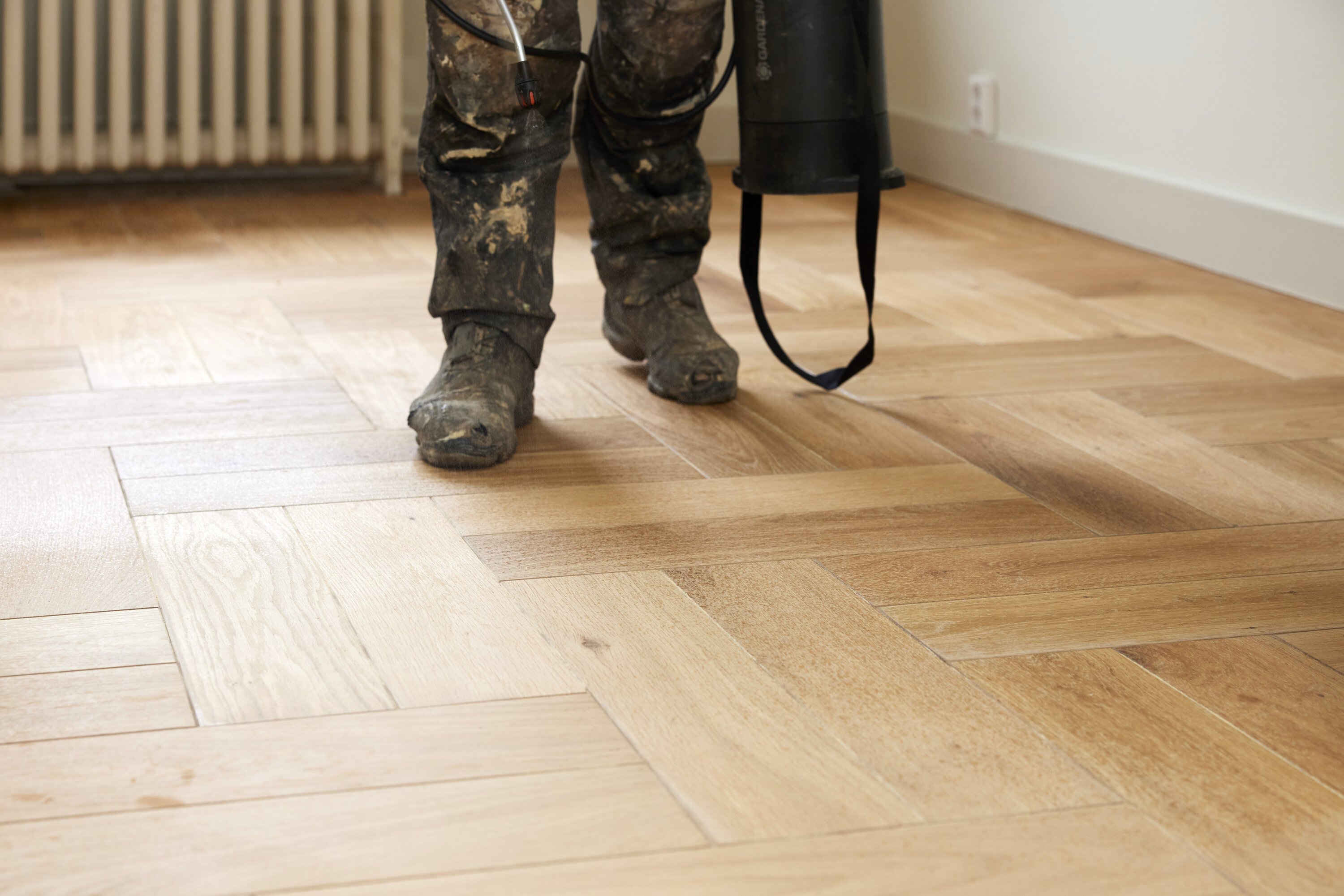
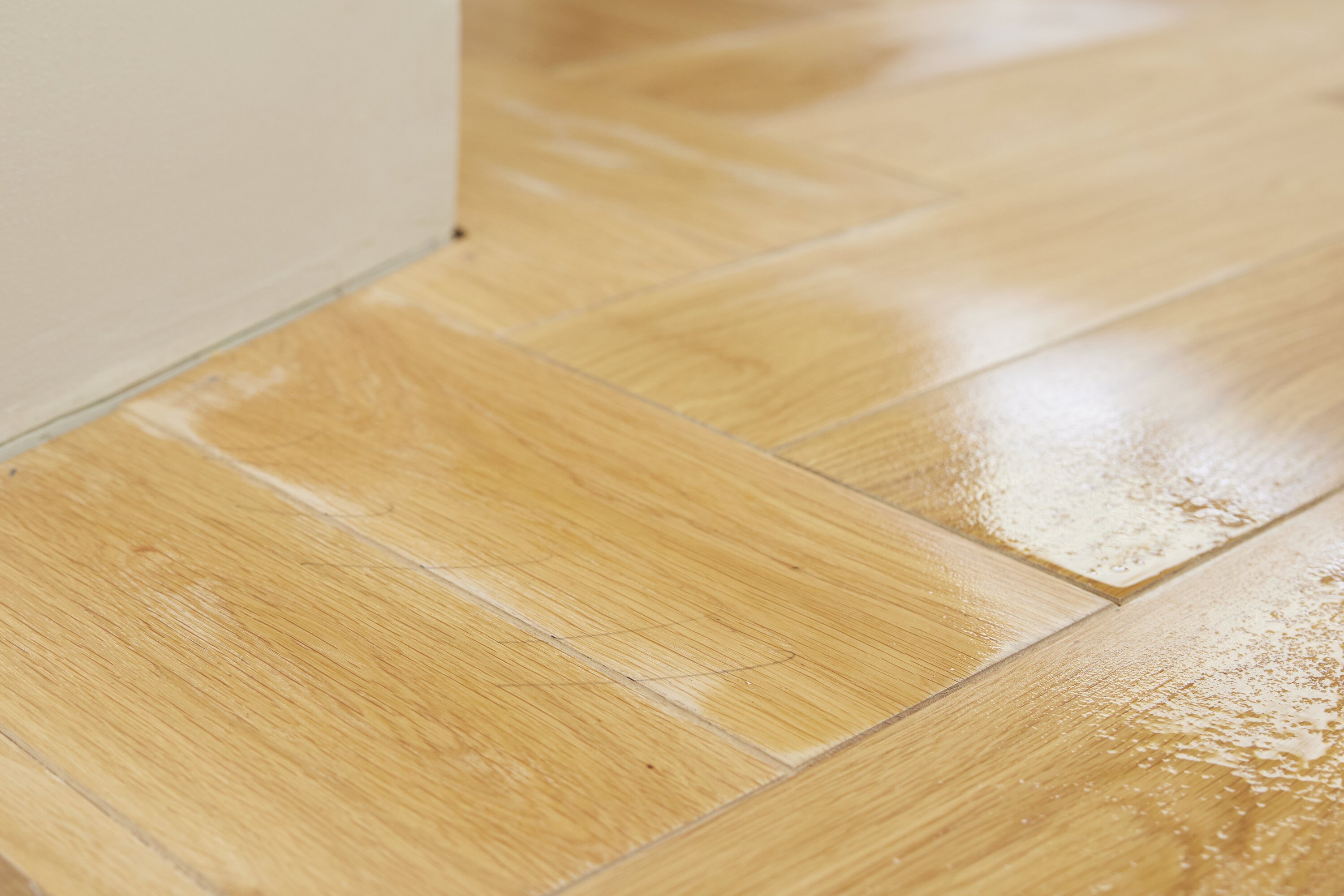
Hard-to-see (adhesive) residue in the joints becomes more visible when moistened with a spray.
Some areas of the floor still require additional cleaning; these are marked.
When oiling the floor, the process starts along the edges, followed by applying the oil to the main surface using the sanding and polishing machine.
First, the oil is worked into the wood, after which a clean polishing brush is used to remove the excess oil.
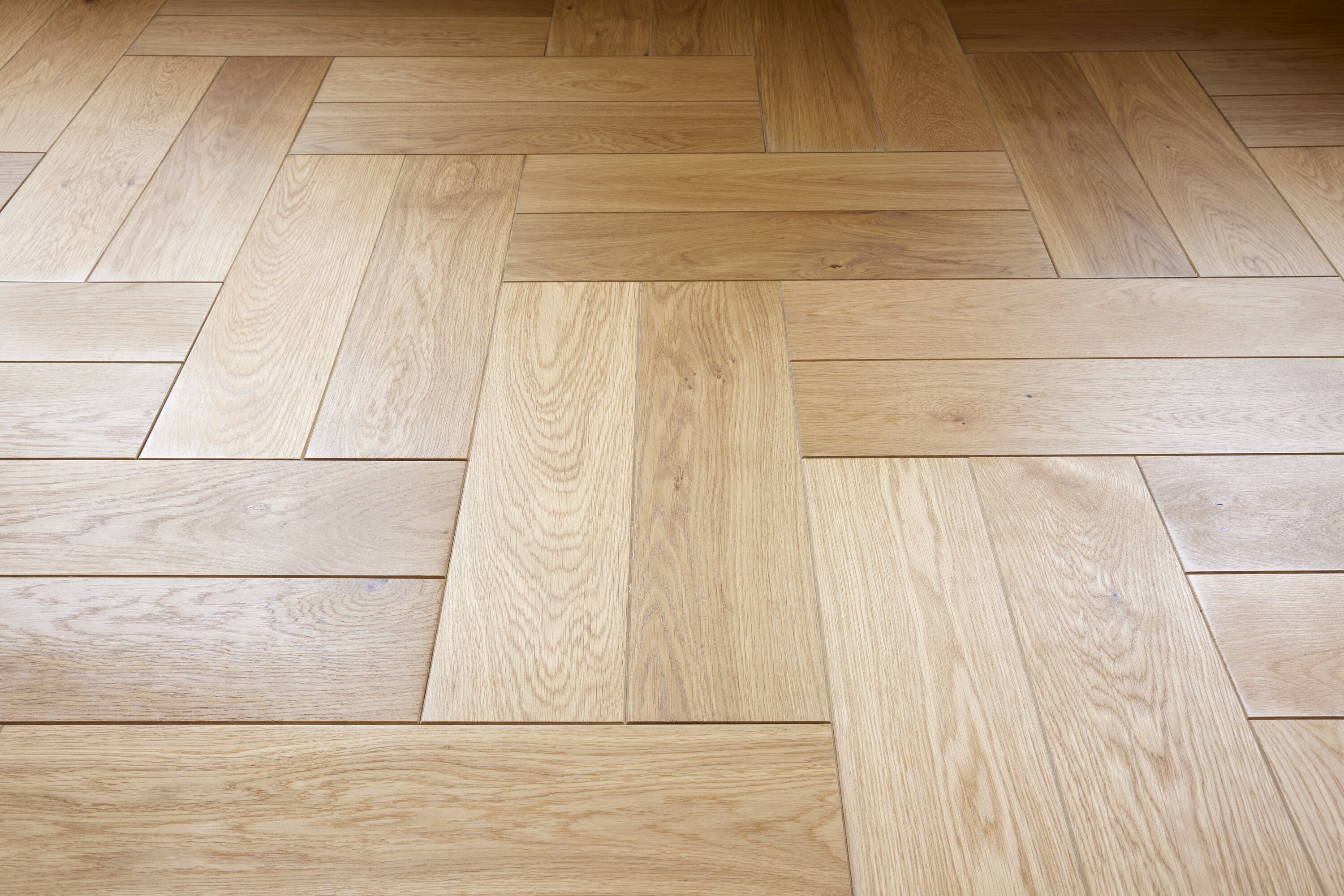
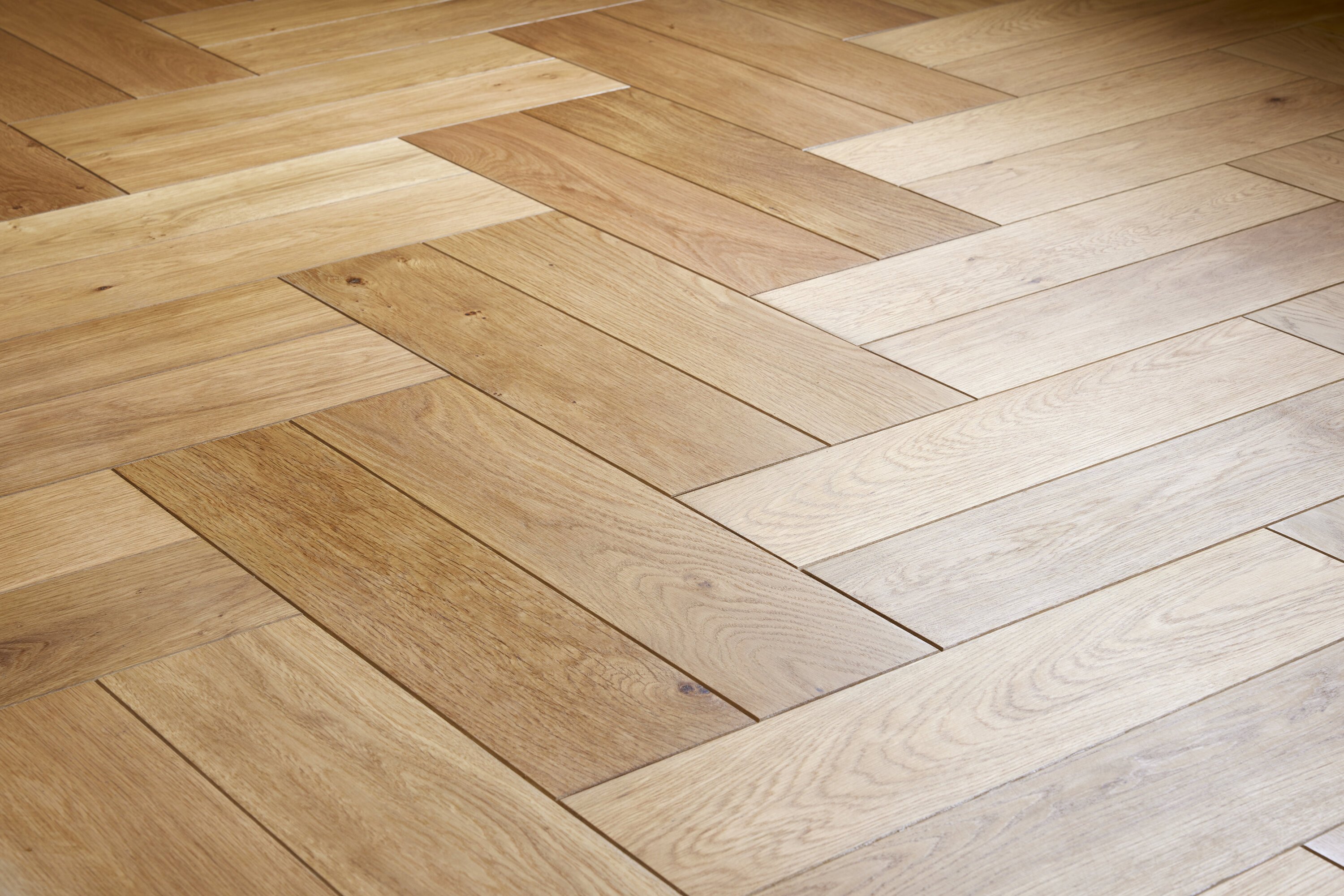
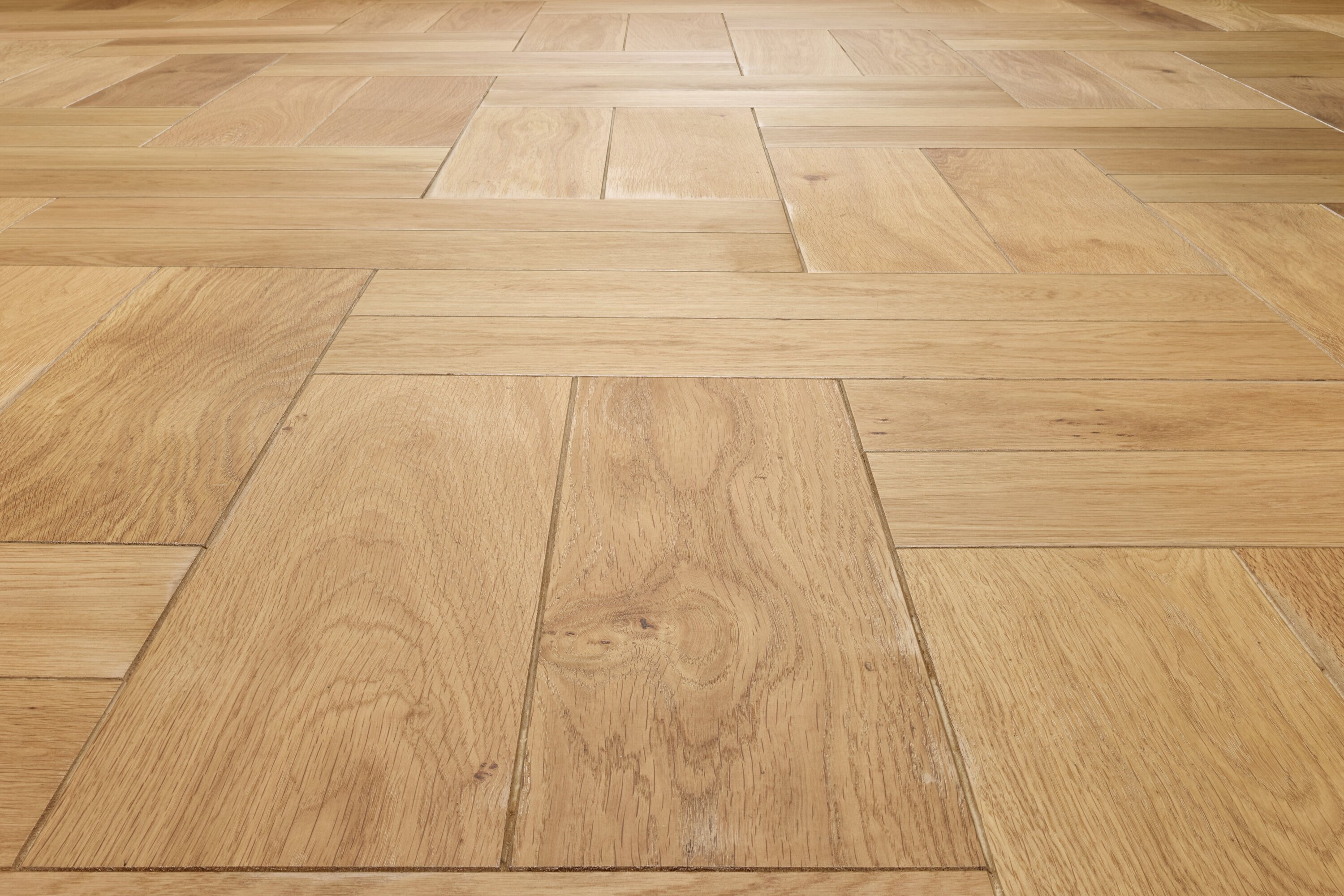
After applying the oil, the floor looks like a new oak herringbone floor.
Reflections of light reveal whether the oil has been properly absorbed by the oak.
The floor appears as good as new and can be walked on again after 48 hours.