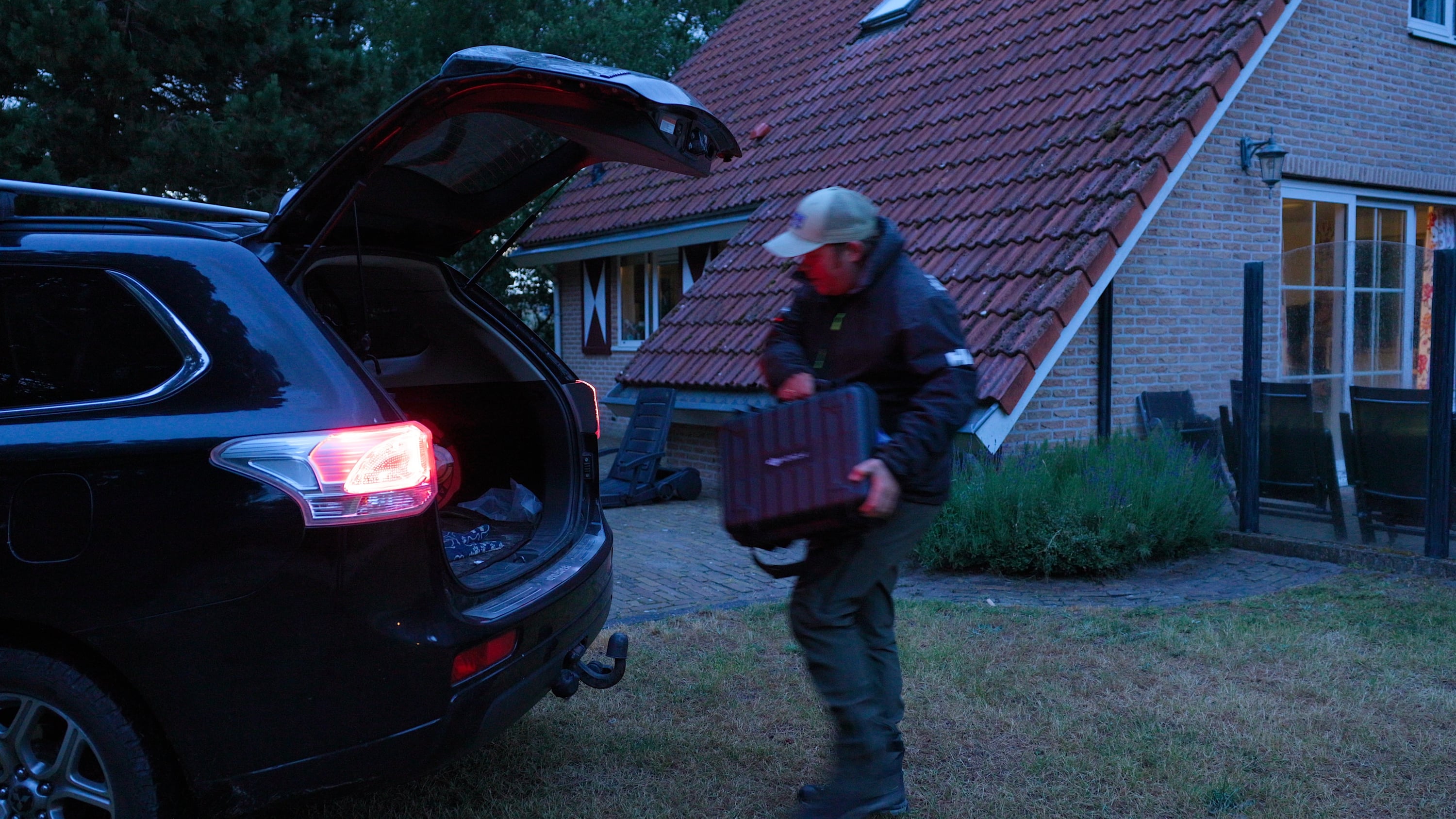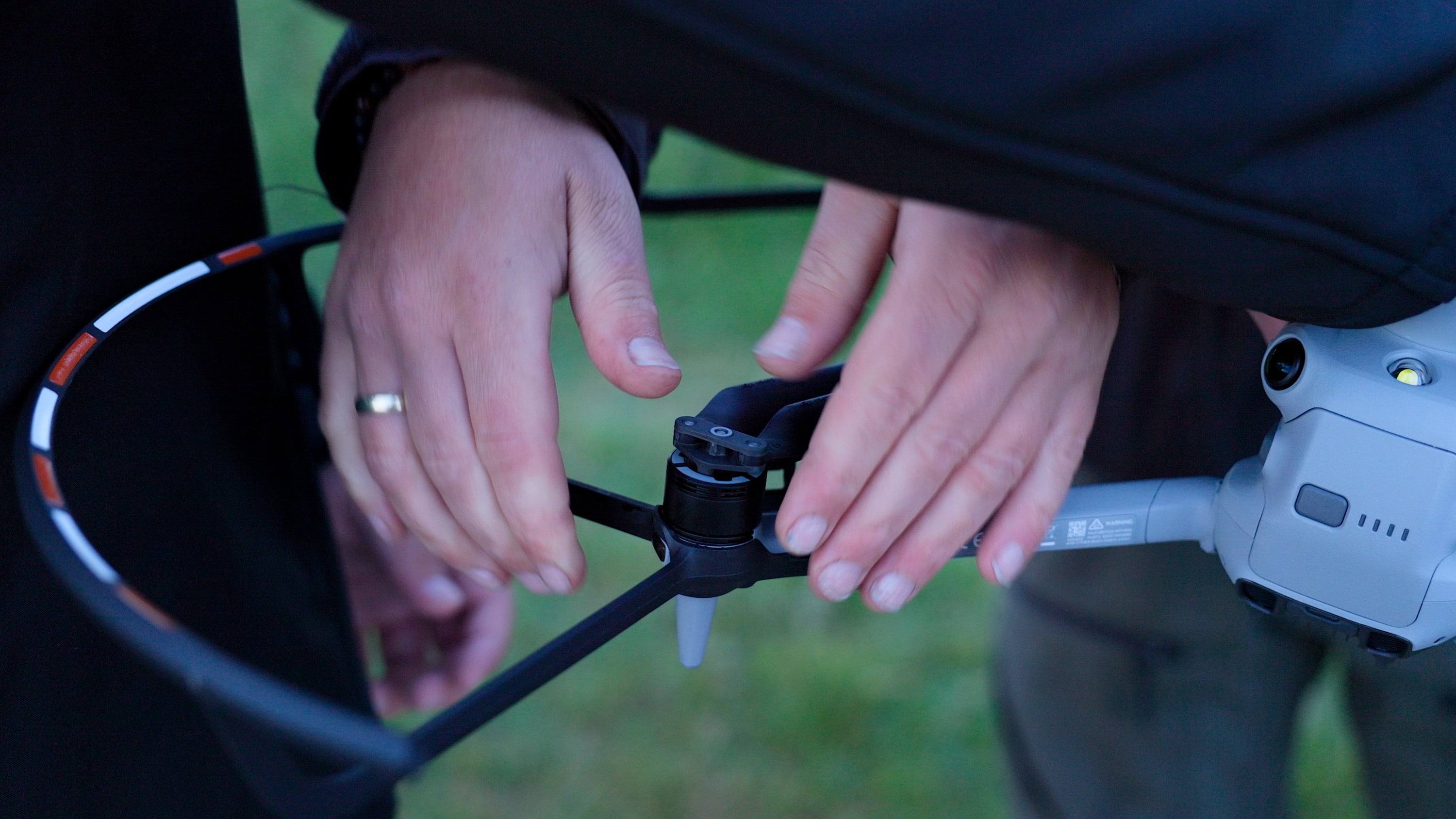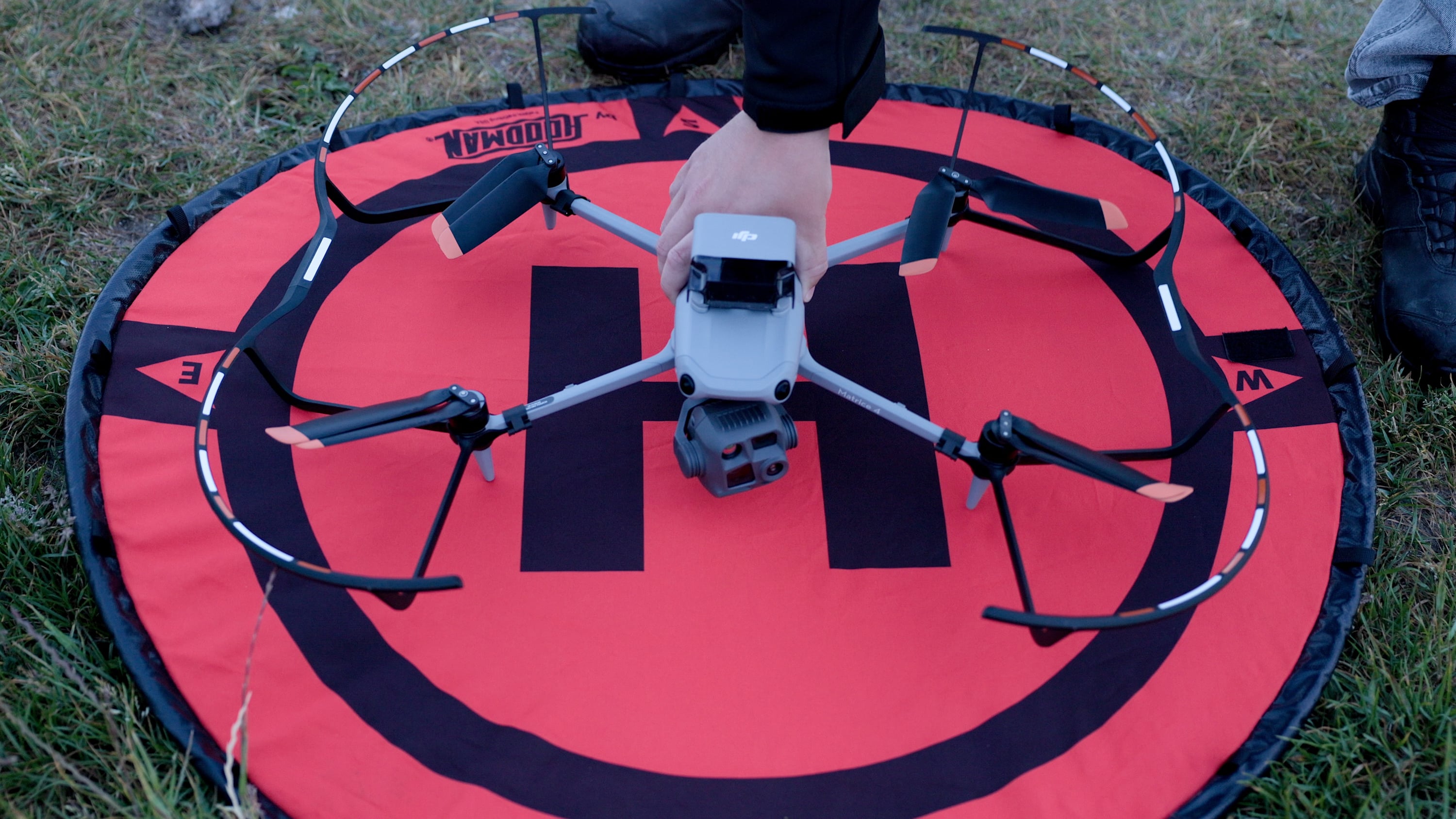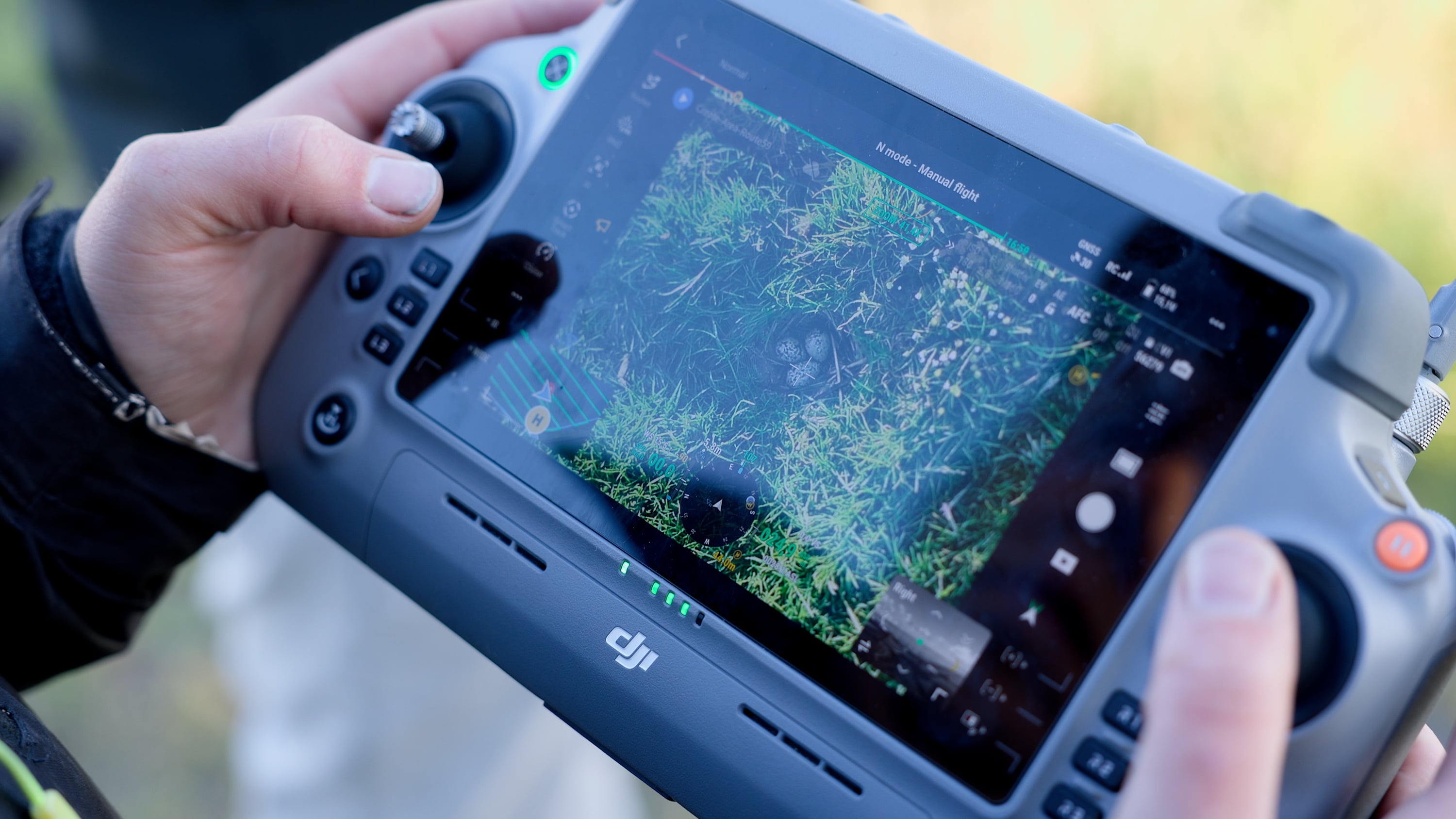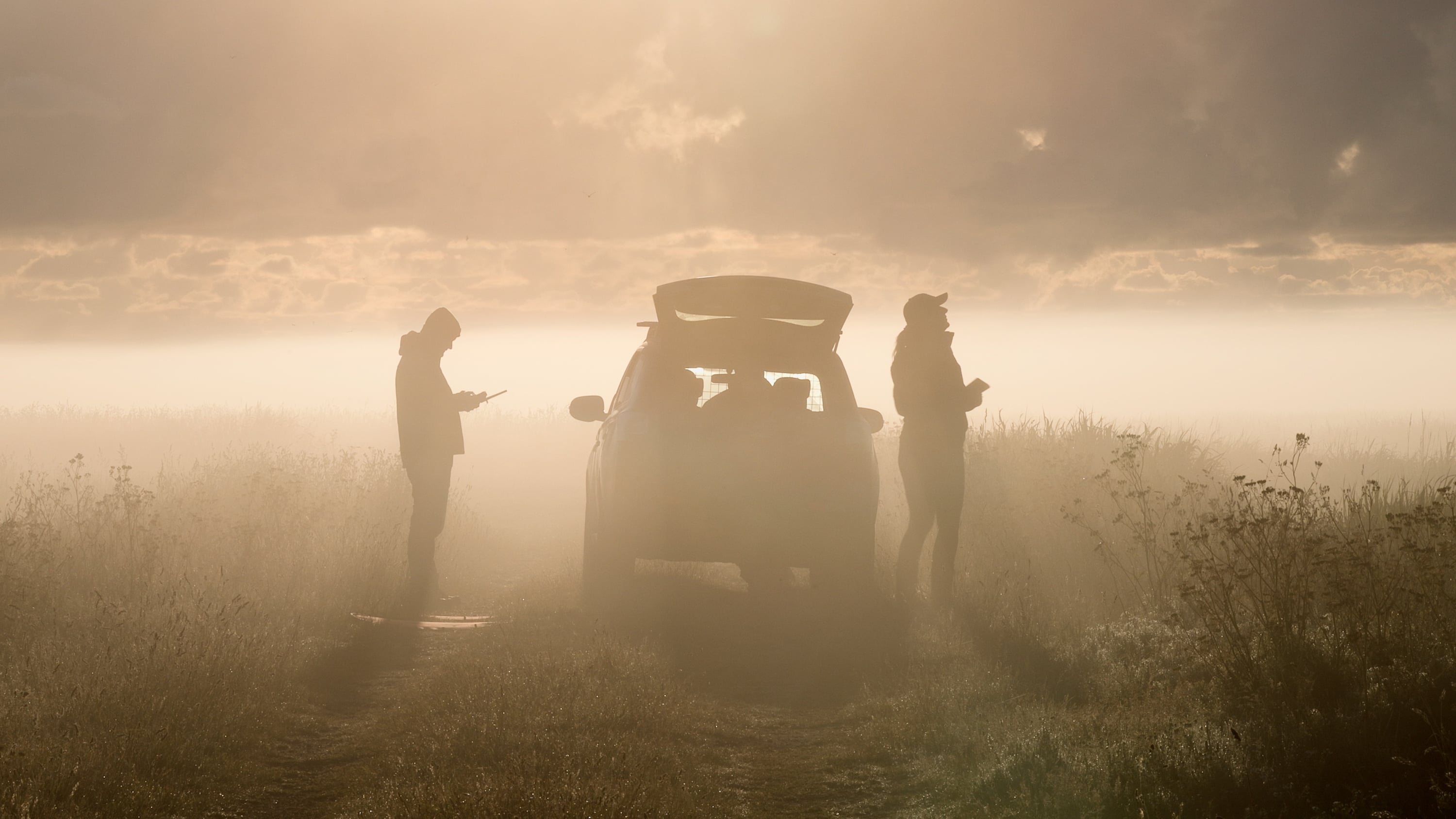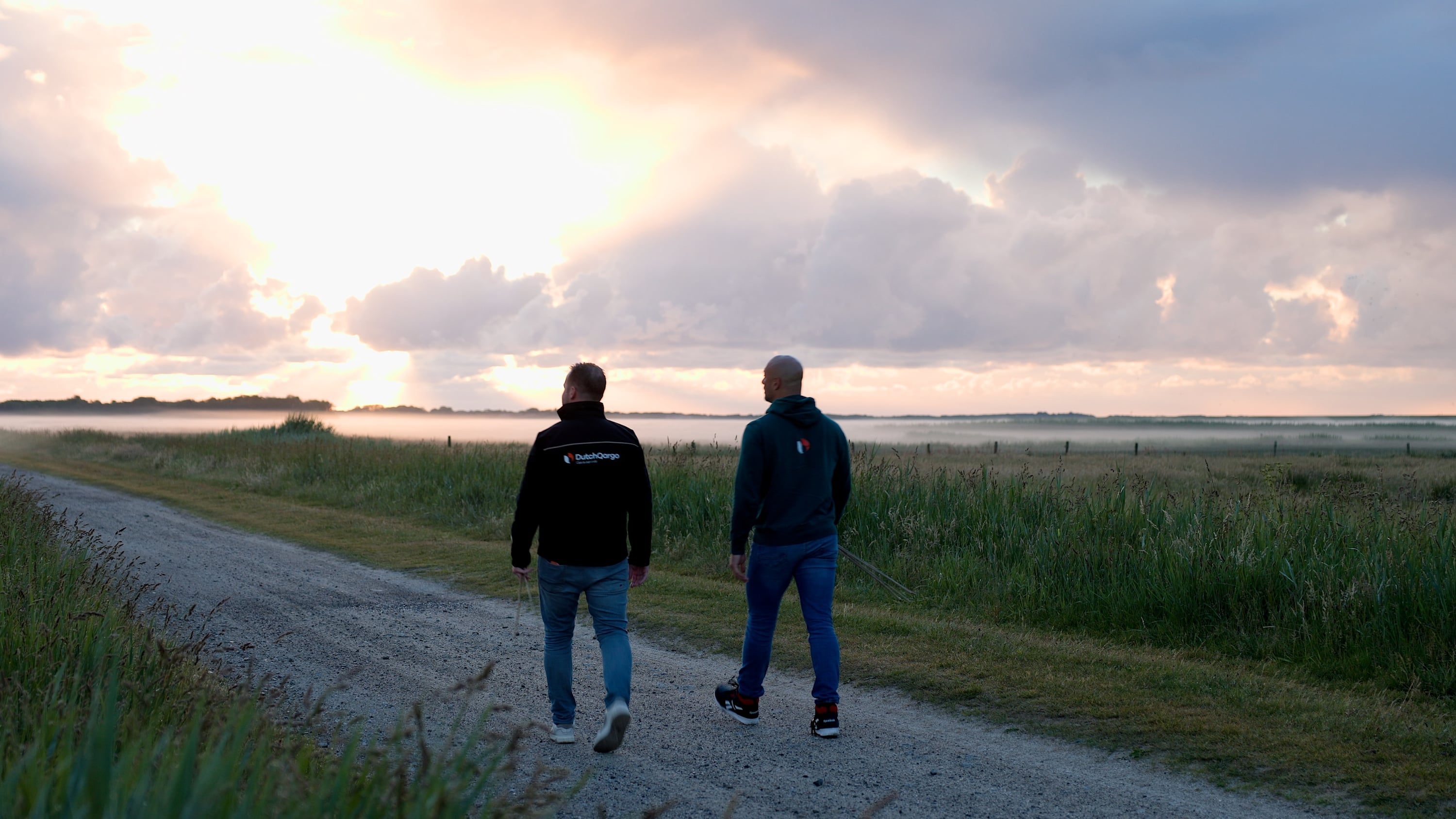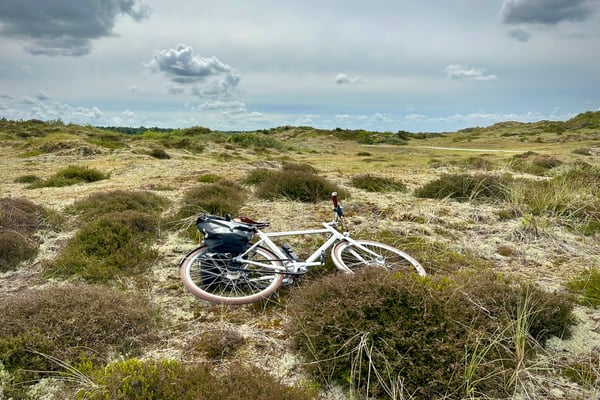
For DutchQargo, I created a film on Terschelling about a sustainability project. The project aims to use drones to locate and map nests of vulnerable bird species and, wherever possible, help protect them.
I enjoy visiting Ameland with my family. I’ve also been to Texel and Schiermonnikoog several times. I love nature and the Wadden Sea area, so I was more than happy to contribute to this project on Terschelling.
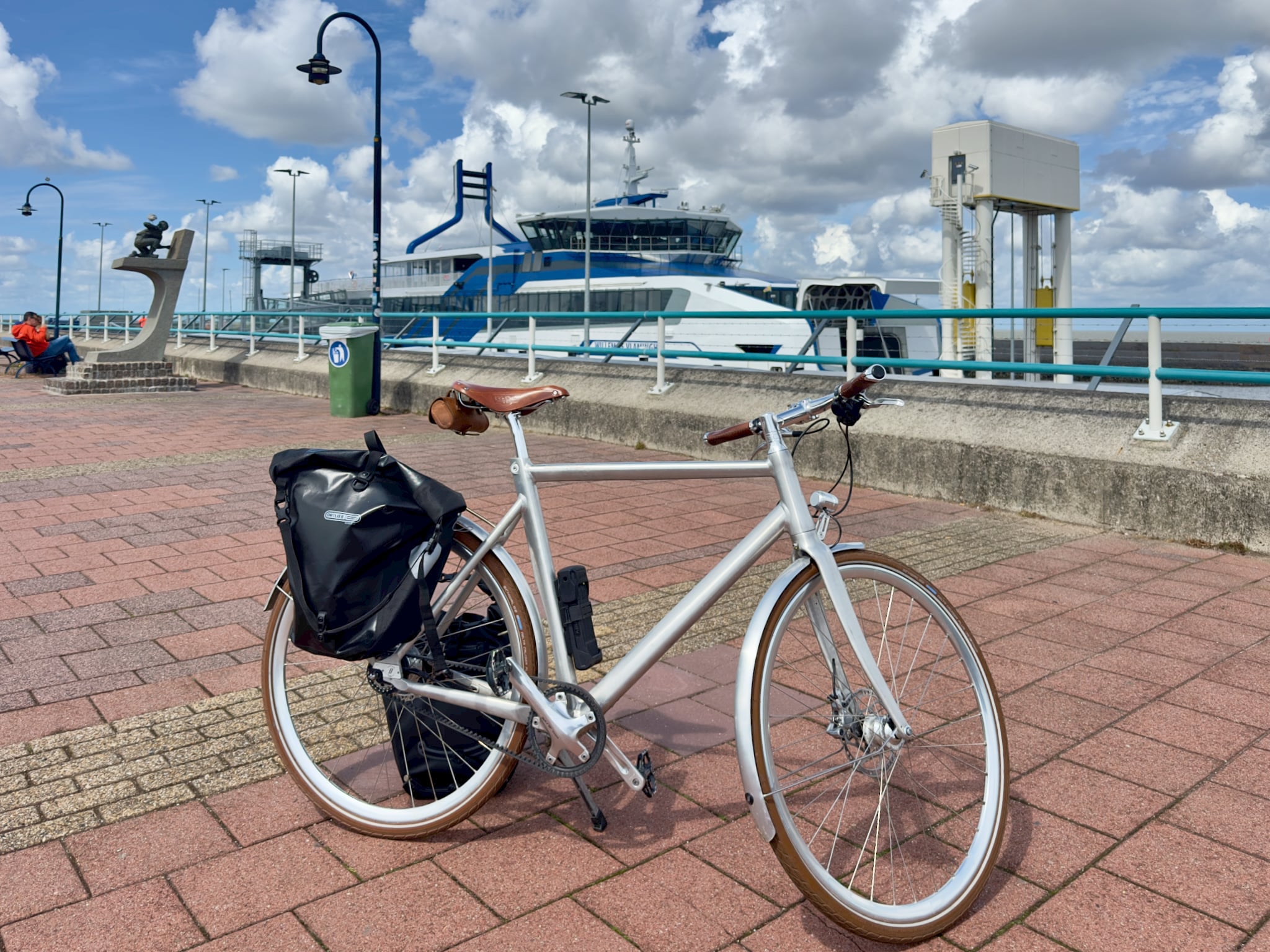
Just like my productions in the south of France, this project required some travelling. Not only by car, but also by ferry from Harlingen to West-Terschelling. To get around the island more easily, I brought my trusted bicycle. That alone turns the trip into a bit of an adventure. And because I love cycling, a fun adventure.
My filming equipment had to fit into my panniers, alongside my toothbrush and a change of clothes. I’ve been travelling compactly for years, for real estate agents among others. Carefully deciding what goes into the bag is an important part of the preparation — and something I really enjoy. It may seem limiting at first, but when you know exactly what you have with you, you can work very efficiently on location.
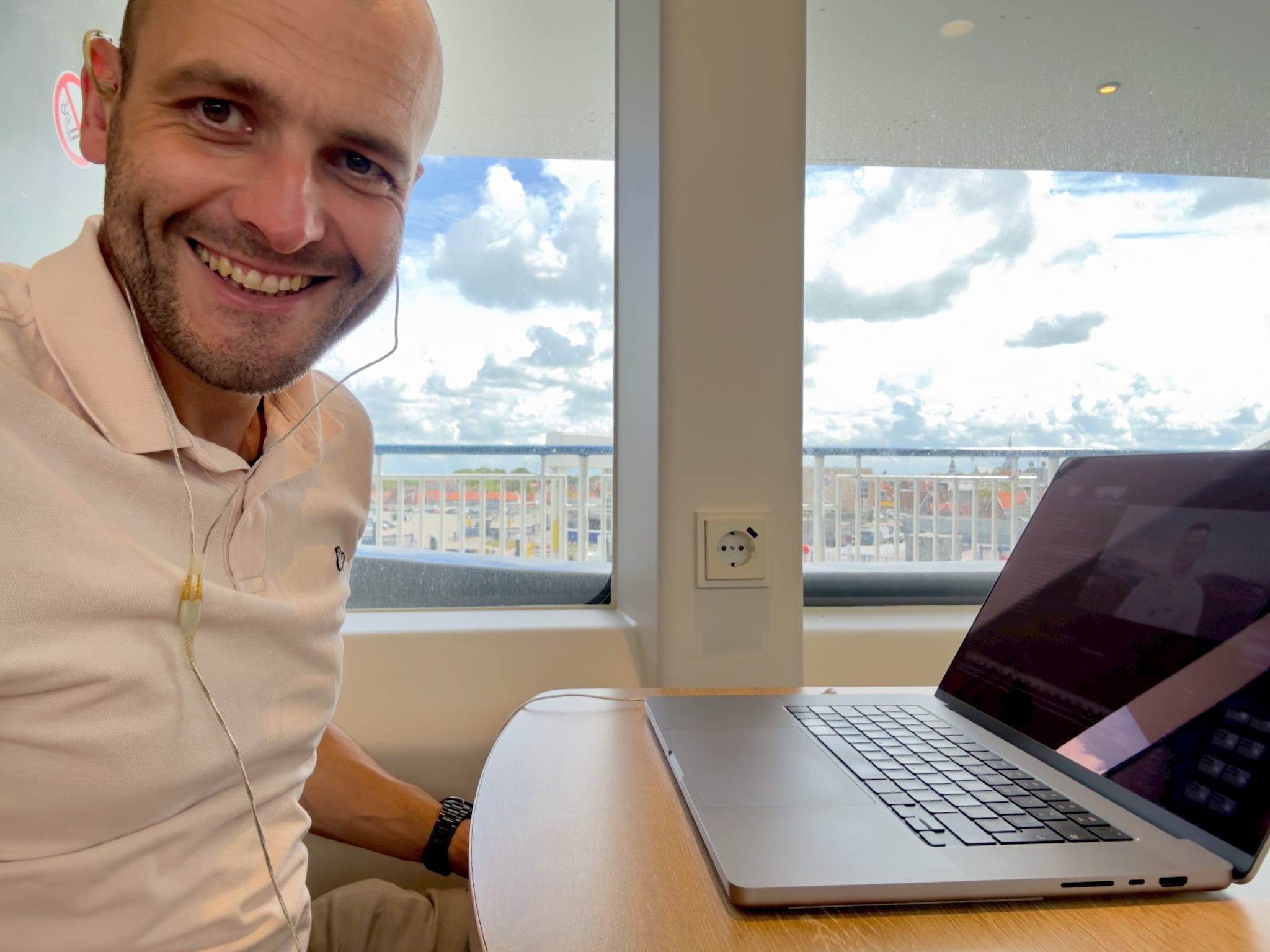
So, how did I end up working on this project on Terschelling? DutchQargo employees had previously visited the island and were impressed by Terschelling and its birdlife. This led to a conversation with a local guide about his plans to improve the way bird nests are located and marked. DutchQargo decided to support the project. Responsible entrepreneurship deserves to be shared. And that is why I made a film about this project.
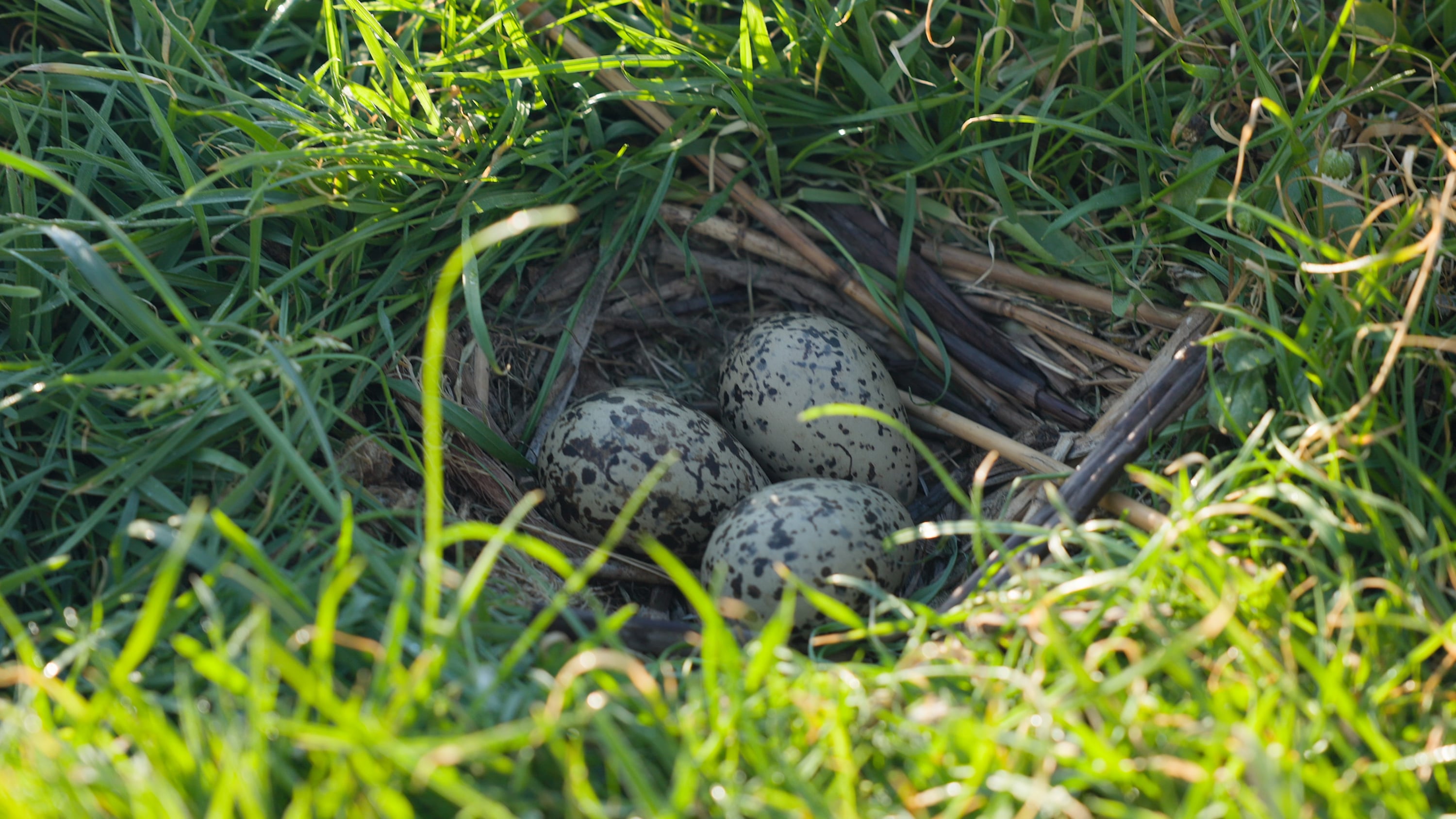
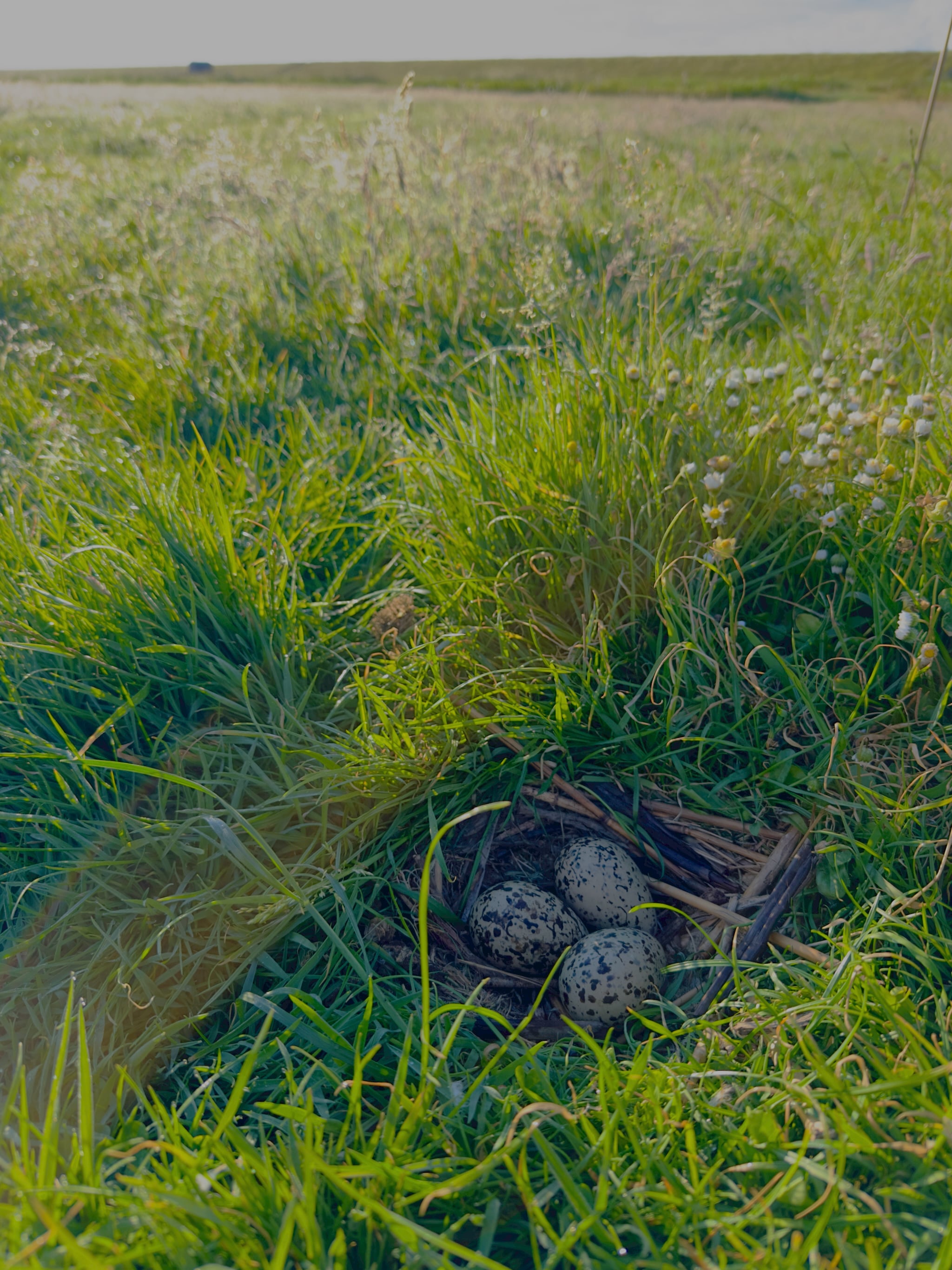
Protecting nests is important, but the work involved is not always immediately visible. Nests are often hidden in tall grass. When that grass is mown, the consequences can be significant.
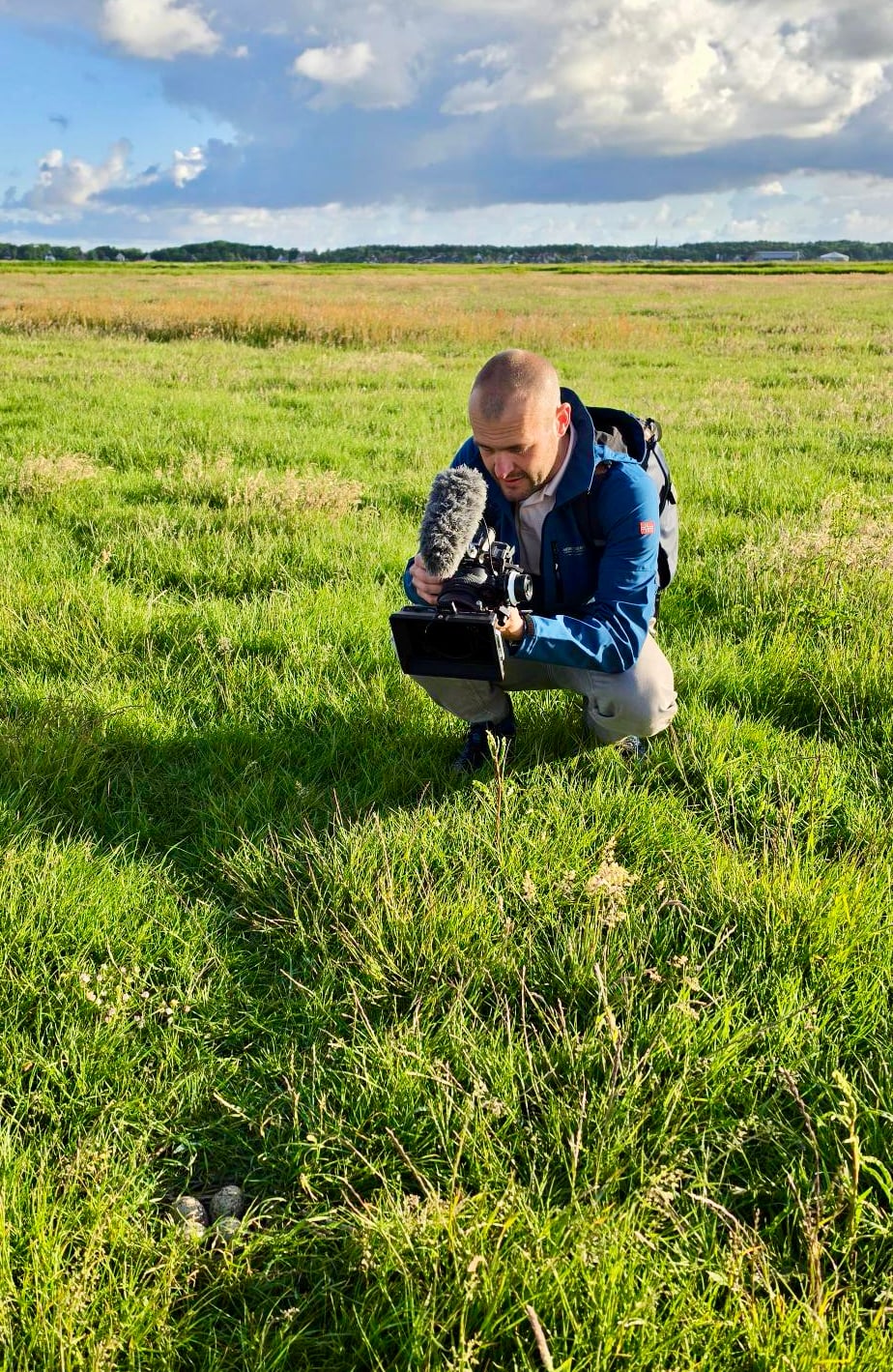
Using drones, infrared cameras, and systematic flight patterns, larger areas can be searched more quickly and carefully. Volunteers mark the nests they find, so farmers know where extra care is needed.
This season, Vogelwacht Terschelling has located around 2,000 nests on the island. Thanks to the use of drones, hundreds of additional nests have been found and marked.
Before filming, I considered questions such as:
Alongside the footage I captured, I wanted the people involved to have a voice. During brief moments in between the work, I spoke with several of them. Based on those conversations, I wrote the voice-over. After some final refinements, we used ElevenLabs to create an English voice-over that tells our carefully crafted story.
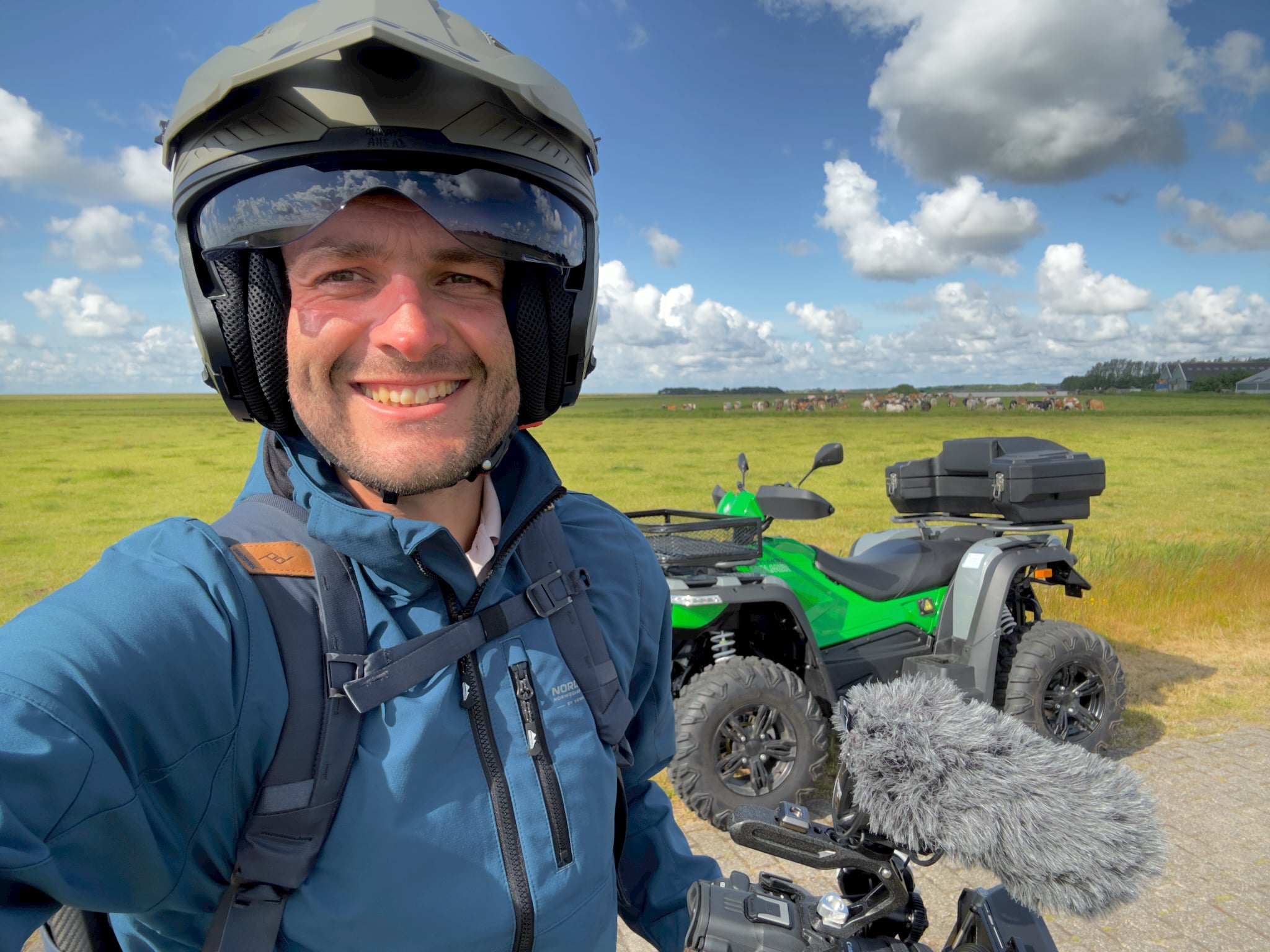
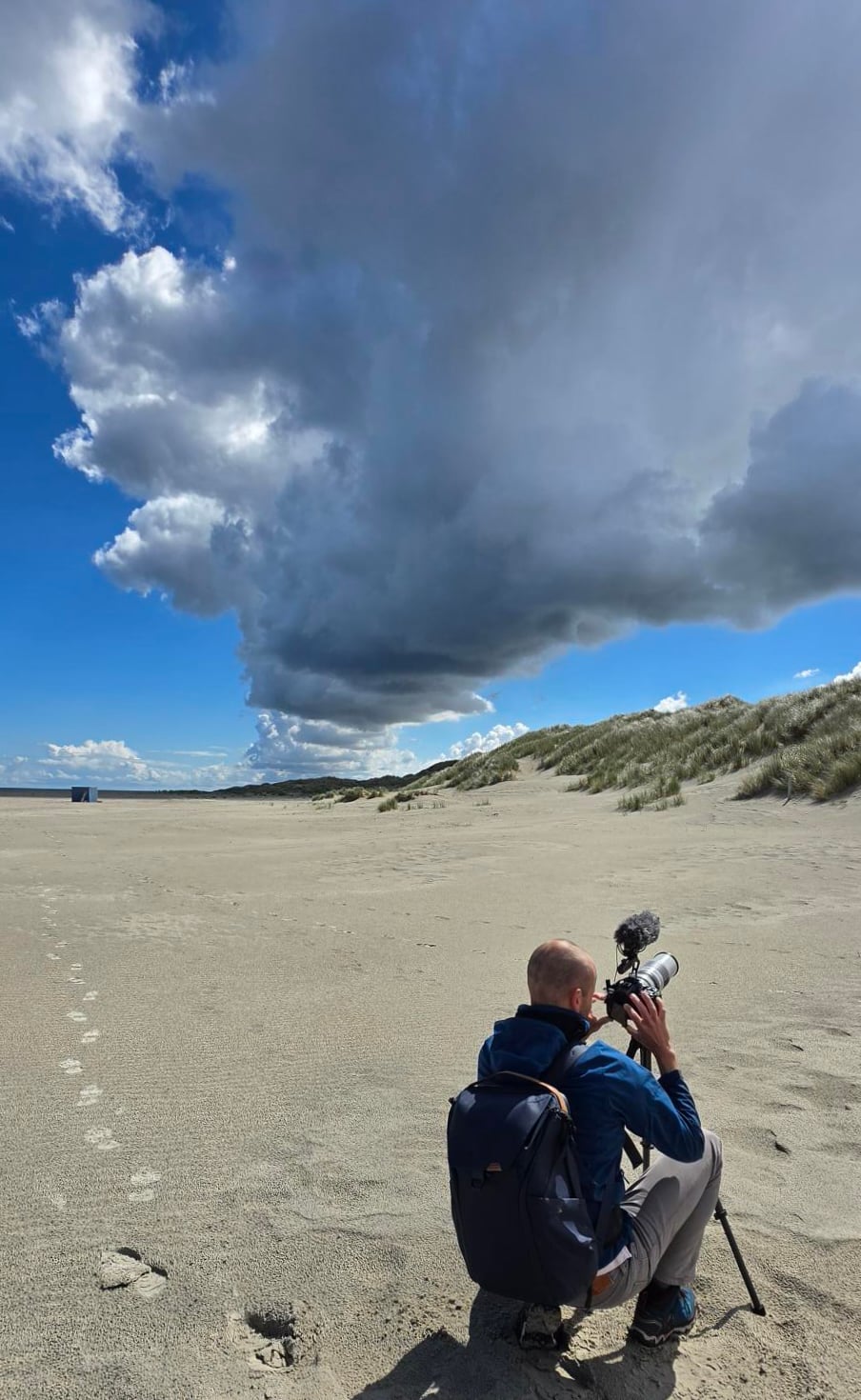
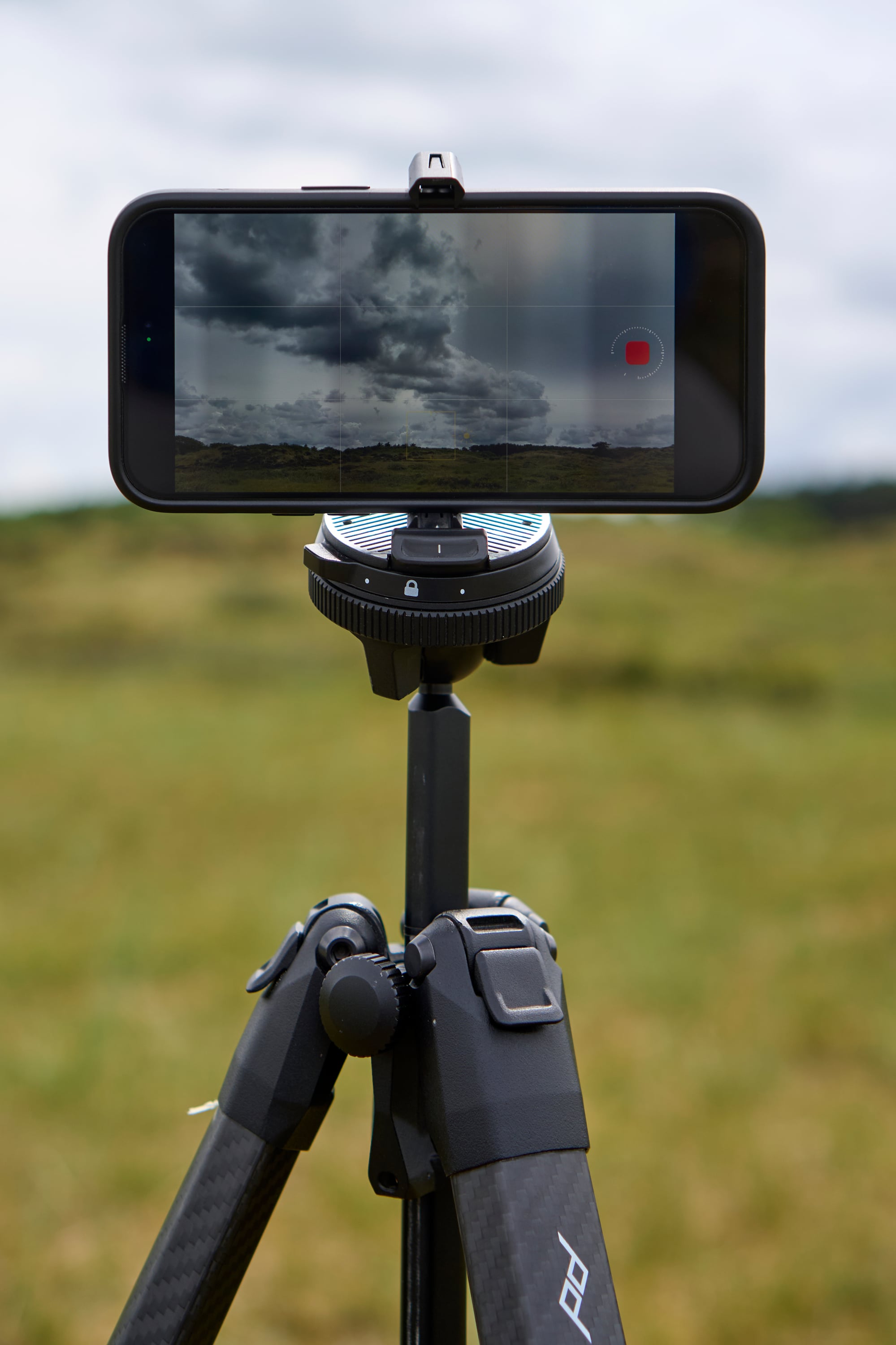
The strength of this project lies in the people, their work, and their genuine commitment. On location, I filmed volunteers preparing for and carrying out the drone flights, the island of Terschelling itself, and the way the collected information helps protect nests more effectively.
The film informs, but also conveys something more: care for something vulnerable and the importance of working together thoughtfully. Inspiring, isn’t it?
Are you an entrepreneur or organization working on a project centred around social responsibility, craftsmanship, or collaboration?
I’d be happy to think along with you about how we can translate that story into a strong film, photo series, or a combination of both. From concept and planning to filming and editing.
Feel free to get in touch if you have any questions or would like to create something meaningful together.
Contact